your guide to liposuction clinic malaysia
Liposuction Explained: Benefits, Procedure, and What to Expect
Liposuction is a broadly acknowledged aesthetic procedure aimed at reshaping the body by removing concentrated fat deposits. While it is not intended as a weight-loss method, many seek its aesthetic benefits. Understanding the procedure, its advantages, and the recovery process is important for individuals exploring this possibility. As candidates weigh their choices, questions about suitability and potential outcomes often arise. What can one realistically anticipate from the liposuction journey?
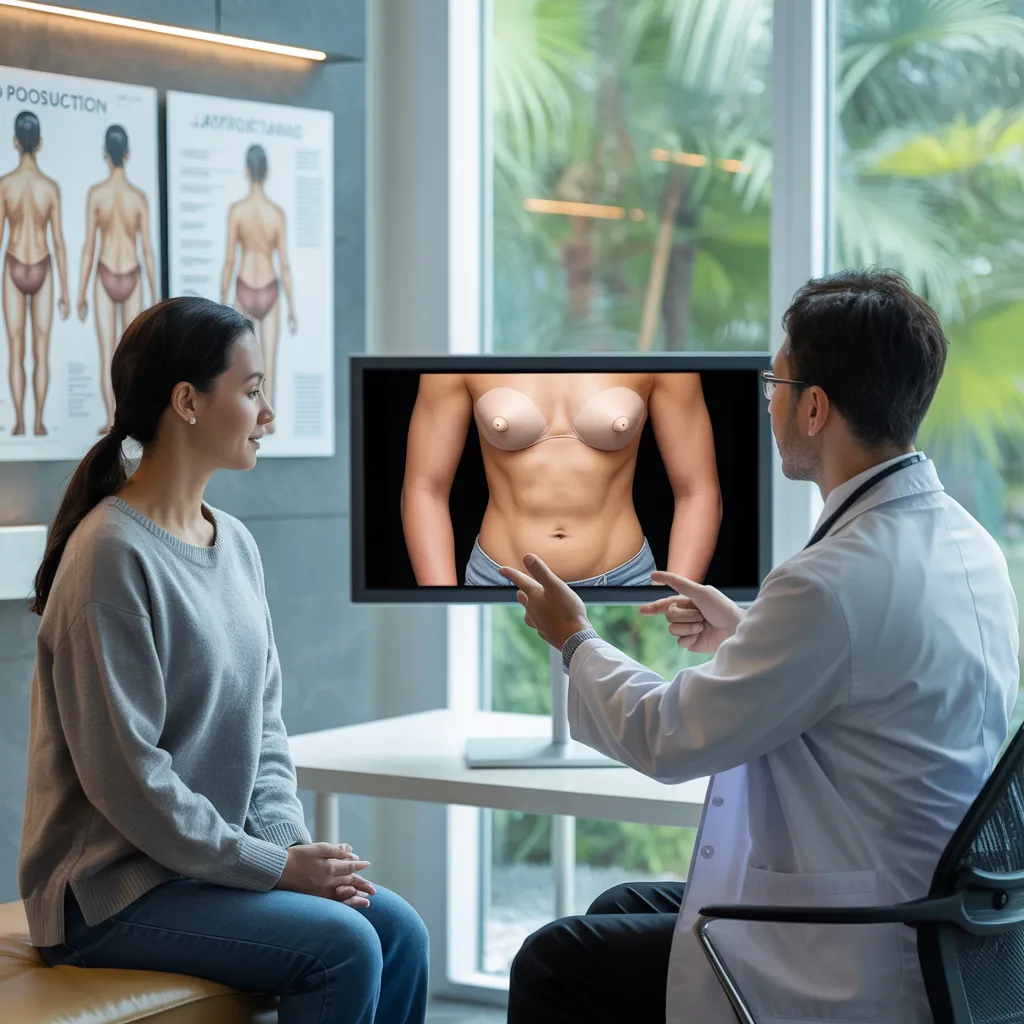
Understanding Liposuction and How It Works
Body contouring through liposuction, a well-known body sculpting procedure, targets resistant fatty deposits that cannot be reduced by diet and exercise. The procedure involves the medical extraction of unwanted fat through a suction technique, utilizing a thin hollow instrument referred to as a cannula. The procedure begins with the application of anesthesia, ensuring the patient's comfort. After the treatment area has been identified, minimal incisions are performed, enabling the cannula to penetrate the fatty tissue. The surgeon then moves the cannula back and forth to loosen the adipose cells, which are then carefully removed through suction.
Liposuction can be performed on various body areas, such as the abdomen, thighs, and arms. It is essential for candidates to have realistic expectations, as liposuction is designed as a body contouring procedure and not a method for weight loss. Healing time can vary, but most individuals can resume normal activities within a few weeks. The results can be long-lasting if a healthy lifestyle is maintained post-procedure.
Key Advantages of Liposuction
Liposuction provides many compelling benefits that appeal to people pursuing body enhancement. Among these benefits are enhanced body contouring, which helps achieve a more sculpted figure, and a rise in self-esteem that commonly results from a positive outcome. Understanding these advantages can help potential patients make informed decisions about their body transformation journey.
Improved Body Sculpting
Transforming one's silhouette commonly encourages patients to explore the advantages of improved body sculpting through liposuction. This technique precisely addresses persistent fat accumulations, allowing for more precise shaping of the body. By removing excess fat from areas such as the abdomen, thighs, and arms, liposuction achieves a more visually appealing physical balance. Clients commonly recognize the chance to accomplish a defined physique that proves challenging to reach through nutrition and fitness exclusively. Moreover, liposuction has the ability to support additional cosmetic interventions, improving combined outcomes. The flexibility of liposuction enables helpful guide personalization to each person's specific body composition and aspirations, making it a popular choice for those seeking dramatic changes in their physical appearance. The effect commonly produces a more refined body contour.
Improved Self-Confidence
Confidence commonly develops subsequent to significant physical transformations, and a great number of people encounter this enhancement after having liposuction. The surgery can effectively eliminate resistant fat accumulations, producing a more sculpted body that matches personal aesthetic goals. As people witness visible results in their figures, they often report elevated confidence and an enhanced view of their appearance. This newly discovered self-assurance can go beyond physical appearance, impacting social and career-related engagements. Numerous people become inspired to embrace new opportunities, take part in social gatherings, and communicate more openly. In the end, the emotional rewards of liposuction can be profoundly impactful, fostering a healthy self-image and encouraging healthier lifestyle choices. This increase in personal confidence is one of the strongest reasons individuals view liposuction as a worthwhile choice.
Are You an Ideal Candidate for Liposuction?
Evaluating suitability for liposuction encompasses a number of essential criteria. Candidates should preferably maintain a consistent and stable body weight, possess no major medical conditions that may present potential risks, and hold well-informed and reasonable expectations concerning the results of the procedure. Assessing these important considerations enables potential candidates to establish whether liposuction represents an appropriate solution for them.
Perfect Body Weight Range
A healthy body weight range is essential for assessing suitability for liposuction. Candidates are typically advised to be within 30% of their target weight, as this indicates a stable weight and realistic expectations for fat removal. Liposuction is not intended as a weight-loss strategy; on the contrary, it aims to sculpt particular regions of the body. Individuals who are greatly overweight or underweight may face challenges in achieving optimal results. Furthermore, individuals maintaining a healthy body weight typically exhibit greater skin elasticity, which can positively influence the overall results. In conclusion, maintaining the ideal weight range is crucial for guaranteeing both the safety and success of the liposuction process, resulting in a more fulfilling transformation.
Health Concerns and Risks
Numerous people thinking about liposuction could have concerns about their suitability given different health considerations and related risks. The best candidates are generally within 30% of their desired body weight and have firm skin with excellent elasticity. Individuals with underlying health issues, such as heart disease, diabetes, or compromised immune systems, may face elevated risks during the procedure. Cigarette smoking may also delay healing and amplify potential complications. In addition, suitable candidates must hold reasonable expectations about outcomes and remain emotionally grounded. Meeting with an experienced surgeon is critical for assessing general health and establishing candidacy. Recognizing these elements allows people to make well-informed choices, confirming that liposuction suits their health condition and cosmetic objectives.
Reasonable Expectations Are Essential
Individuals seeking liposuction should have reasonable expectations about the procedure's outcomes. One must understand that liposuction is not designed for weight loss but a body contouring method designed to target targeted areas of excess fat. Suitable candidates should be at or near their ideal weight and possess good skin elasticity. Patients with underlying medical conditions or unrealistic goals may not benefit fully from the procedure. Moreover, while liposuction can improve body contours, it does not resolve problems like cellulite or sagging skin. Understanding the limits of what liposuction can achieve is essential for ensuring positive outcomes. A comprehensive consultation with a qualified surgeon will help individuals assess their candidacy and set achievable goals for their intended outcomes.
How Is the Liposuction Procedure Performed?
Liposuction is a surgical technique intended to eliminate unwanted fat deposits from targeted regions of the body, enhancing overall contour and shape. The procedure generally starts with the application of anesthesia, providing the patient with comfort during the surgery. A tiny incision is performed in the treatment area, through which a slender tube known as a cannula is introduced.
The surgeon next utilizes the cannula to remove fat cells, carefully sculpting the desired body contours. Various techniques, such as the tumescent liposuction method, utilize a saline solution to facilitate fat removal and minimize bleeding. The surgery can be conducted on multiple regions, including the thighs, arms, and abdomen, based on the patient's goals.
Once the fat is removed, the incision gets closed, and the area is usually wrapped to encourage proper healing. The whole procedure typically lasts from a single hour to several hours, depending on the amount of treatment needed.
Healing: A Guide After Liposuction Surgery
Recuperation from a liposuction procedure is a vital phase that impacts the overall success of the operation. Following the procedure, patients commonly experience bruising, swelling, and soreness in the areas that were treated. These side effects are common and usually resolve within a couple of weeks. Most individuals are encouraged to wear compression clothing to aid recovery and limit swelling.
Throughout the early recovery phase, it is important to rest and minimize physical exertion. Patients are often encouraged to walk lightly to promote circulation however strenuous exercises should be avoided for at least several weeks. Pain relievers may be prescribed to help control discomfort.
Post-operative visits with the surgeon are essential for overseeing progress and guaranteeing optimal healing. As the recovery journey unfolds, patients can begin to see the benefits of their treatment, with final outcomes typically visible after several months. Maintaining a healthy lifestyle post-recovery can aid in maintaining the improvements accomplished through liposuction.
Important Risks and Critical Considerations for Liposuction
Since liposuction remains a commonly performed aesthetic treatment, it is important to be mindful of the potential hazards and important aspects involved. Individuals may face adverse effects such as infection, deep vein thrombosis, or reactions to anesthesia. Furthermore, asymmetrical results or surface inconsistencies may develop, impacting the overall visual appearance.
It is important for candidates to have realistic expectations regarding the end results and recognize that liposuction is not a solution for weight loss. Patients should be in good overall health and have a stable weight before having the surgery. Consulting with a qualified and skilled surgeon is essential to determine individual candidacy and to address any underlying medical conditions that could elevate potential risks.
Additionally, understanding the economic factors, including probable additional charges and the need for subsequent procedures, is essential for sound judgment. All things considered, detailed research and adequate preparation can serve to lessen risks associated with liposuction.
Post-Liposuction Self-Care Guide
Post-surgical care plays a vital role in achieving optimal outcomes after liposuction. It is recommended that patients wear compression garments to help minimize swelling and promote healing. These garments should be worn as directed, typically for several weeks. Proper hydration and a nutritious diet can support the recovery process, enhancing skin elasticity and general well-being.
Adequate rest is important in the first few days following the operation. Patients should abstain from vigorous activities and lifting heavy objects for at least a few weeks to prevent complications. Addressing pain can be managed with prescribed medications, but any unusual or severe pain should be brought to the attention of a healthcare provider.
In addition, proper care of the surgical sites and monitoring for signs of infection, such as increased redness or discharge, is essential. Post-operative consultations with the surgeon are vital to gauge recuperation and tackle any concerns. By complying with these instructions, patients can optimize their recuperation and reach the intended goals.
Questions We Often Receive
What Is the Typical Cost of Liposuction?
Liposuction typically costs between $2,000 and $10,000, based on factors such as the treatment area, the expertise of the surgeon, and where the procedure is performed. Additional expenses may include anesthesia, facility fees, and post-operative care considerations.
Do Liposuction Results Last Forever?
The results of liposuction can be long-lasting; however, they cannot be guaranteed to last permanently. Weight gain, lifestyle choices, and natural aging can affect the outcome, necessitating maintenance through diet and exercise for ideal results.
Can Liposuction Help with Cellulite or Skin Sagging
Liposuction is not an effective solution for cellulite or loose skin, given that its primary focus is on eliminating unwanted fat. When dealing with these conditions, patients may consider alternative treatments including skin rejuvenation procedures or targeted cellulite solutions in order to obtain improved results.
What Types of Anesthesia Are Administered During Liposuction?
Liposuction generally makes use of local anesthesia, which targets and numbs specific regions, or general anesthesia, which renders the patient fully unconscious. This decision is influenced by the extent of the procedure and the patient's personal preferences, ensuring maximum comfort throughout the surgery.
How Quickly Can I Resume Work After Liposuction?
Typically, individuals can go back to work within one week after undergoing liposuction, based on the scope of the treatment and their individual healing process. Mild activities can often be restarted earlier, while strenuous tasks may require additional time for healing.