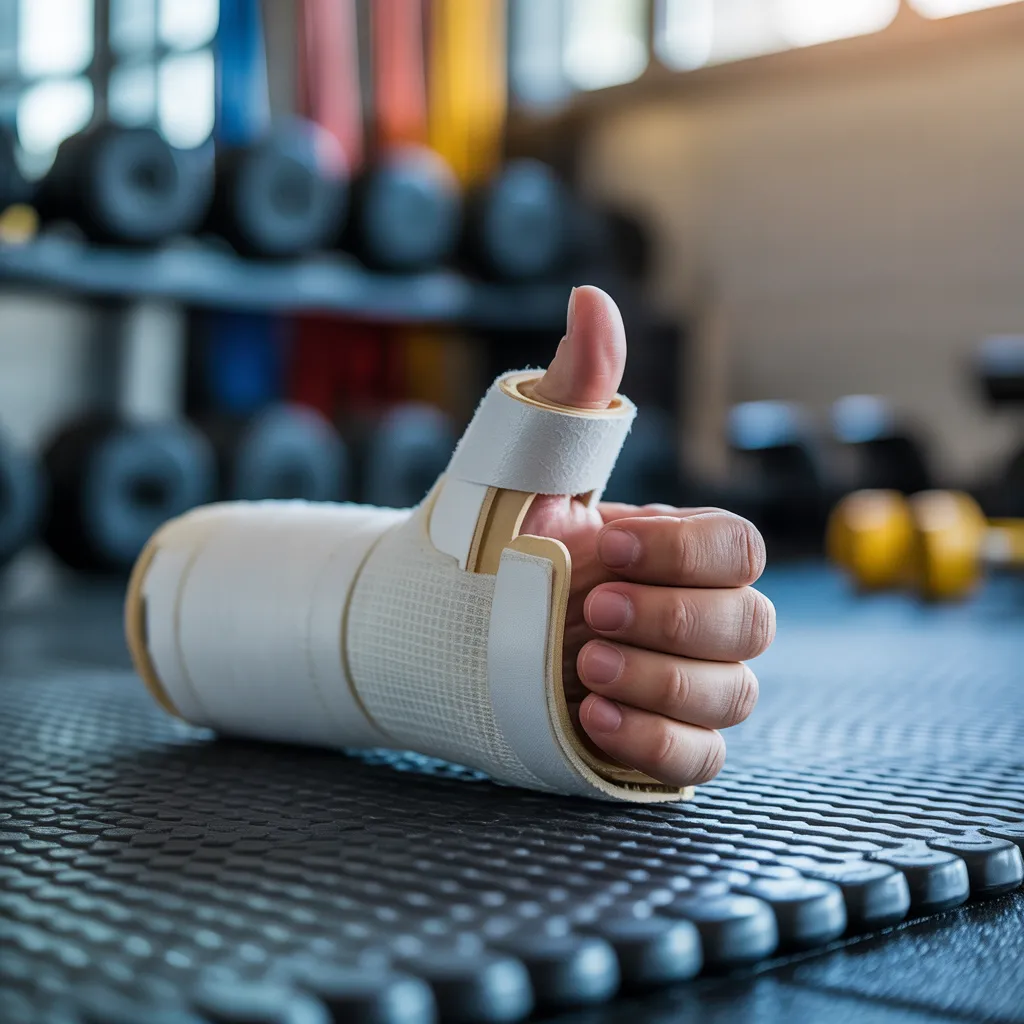
Thumb Support Splint: Ergonomic Orthopedic Brace
Finding the Ideal Support for Thumb Injuries: An In-Depth Guide
Identifying suitable support for thumb injuries is crucial for recovery and functionality. Different injuries, such as fractures and sprains, demand targeted forms of bracing. Each choice presents unique qualities that can impact recovery results. Understanding these options can help people choose wisely. The right support can greatly affect recovery, but knowing how to choose wisely is essential. What aspects should be evaluated when managing a thumb injury?
What Are Common Thumb Injuries and How Do They Affect You?
A large number of people deal with thumb injuries, which can significantly impact everyday tasks. Frequent injuries encompass sprains, strains, fractures, and tendonitis. Sprains stem from overextended ligaments, often causing pain and swelling. Strains, on the other hand, affect muscle or tendon damage, resulting in weakness and discomfort. Fractures, most commonly sustained during sports or accidents, can immobilize the thumb and hinder movement, complicating tasks like gripping or pinching.
Tendon inflammation, often found in individuals who engage in repetitive motions, manifests as tissue inflammation, causing discomfort and diminished thumb function. These types of injuries not only affects physical function but also impacts mental well-being, as the failure to carry out everyday tasks can lead to distress and a lower quality of life. Early identification of these conditions is vital for successful care and rehabilitation, enabling patients to get back to their everyday tasks with minimal disruption.
What Types of Thumb Supports Can Help?
Upon sustaining thumb injuries, individuals often seek suitable supports to assist in recovery and regain functionality. Several thumb support options exist, all crafted to target individual needs. Wrist braces, for instance, offer stability to the wrist and thumb, minimizing movement while healing takes place. Thumb spica splints keep the thumb stationary while letting the rest of the hand move freely, making them a preferred choice for fractures or injured ligaments. Compression sleeves provide support and warmth, enhancing blood circulation to promote healing. For individuals who need greater movement, flexible thumb supports allow for a range of motion while still providing some level of stabilization. In addition, custom-molded orthotics may offer advantages for long-term conditions, guaranteeing a close fit customized to each person's anatomy. Picking the correct type is determined by the injury's extent and the needed degree of support, emphasizing the significance of educated choices throughout the healing process.
Important Features of Effective Thumb Supports
When choosing an appropriate thumb brace, the quality of materials used is crucial for comfort and durability. Furthermore, carefully considered design elements play a significant role in offering the needed stability without hindering mobility. Being aware of these critical factors can guide individuals in making informed choices for their thumb conditions.
Material Quality Considerations
The effectiveness of thumb supports depends heavily on material composition, as it greatly influences effectiveness, comfort, and longevity. High-quality materials, such as neoprene, elastic, and breathable fabrics, deliver critical flexibility without compromising structural support. These materials should be lightweight yet robust, enabling free movement while preserving stability. Additionally, moisture-management features boost comfort by minimizing perspiration, making them especially valuable during prolonged use. Material selection plays a key role in determining longevity; options that hold up against regular use deliver superior overall value. In addition, hypoallergenic options are critical for individuals with sensitive skin, ensuring the support remains functional and comfortable over time. As a result, careful material selection is key to achieving optimal thumb support effectiveness.
Aesthetic and Comfort Characteristics
Although material quality is vital, the comfort features and design elements of thumb supports play an equally important role in their overall effectiveness. A well-designed thumb support should include adjustable straps to guarantee a customized fit, accommodating various hand sizes and shapes. Breathable materials enhance comfort during extended wear, preventing skin irritation. Ergonomic designs that contour to the natural shape of the thumb deliver enhanced support and flexibility, enabling everyday tasks without restriction. Lightweight structures are essential, as they minimize fatigue while preserving stability. Moreover, a discreet design can enable discreet use in social or professional settings. Combined, these characteristics create a thumb support that balances functionality with user comfort, promoting adherence to recommended usage.
Picking the Most Suitable Thumb Support for Your Unique Injury
Choosing the right thumb support is critical for optimal recovery from injuries. Attention should be paid to the form of support, the extent of the injury, and the materials chosen for comfort. Each factor plays a significant role in ensuring ideal healing and performance.
Thumb Brace Varieties
Selecting the correct thumb support is essential for successful recovery from thumb injuries. Various types of thumb supports are offered, each designed to meet specific needs. Splints deliver maximum immobilization, making them suitable for severe injuries. These sturdy supports often feature adjustable straps for a tailored fit. On the other hand, elastic wraps offer moderate support and flexibility, well-suited for minor strains or overuse injuries. Thumb braces, which merge aspects of both splints and wraps, allow for limited motion while delivering stability. For those needing support during activities, supportive sleeves can deliver compression without hindering movement. Knowing these options can help individuals select the most fitting support for their recovery journey.
Injury Severity Factors
When assessing thumb injuries, the extent of the injury plays an important role in determining the most effective support. Less severe injuries, like sprains, often require adaptable bracing that enable mobility while providing some stability. In contrast, moderate injuries may require a more firm brace to restrict movement and promote recovery. Critical injuries, including bone fractures or substantial ligament damage, typically call for immobilization devices that offer full protection and prevent all thumb motion. The type of support should consider not only the nature of the injury but also the point in the recovery process. A thorough evaluation ensures that the support chosen corresponds to the unique requirements of the injury, facilitating optimal healing while minimizing the risk of further injury.
Material and Wearability Factors
Choosing the material for thumb support significantly affects both comfort and functionality during recovery. Multiple material options exist, each offering unique advantages. Pliable fabrics, including neoprene, deliver both flexibility and comfort, making them suitable for mild injuries where mobility is required. Rigid supports made of thermoplastic can offer greater stability for severe injuries, though they may sacrifice some comfort. Breathable fabrics promote airflow, decreasing perspiration and skin discomfort. Additionally, moisture-wicking textiles work to keep skin dry, contributing to greater comfort overall. Ultimately, picking the correct material relies on the injury's seriousness and the individual's lifestyle demands. Balancing support and comfort is crucial for effective recovery and resuming daily activities.
How to Use and Care for Your Thumb Support
Correctly utilizing and maintaining a thumb support is vital for enhancing its effectiveness and promoting optimal recovery. First, it is vital to wear the support according to the manufacturer's instructions, ensuring a secure fit that does not restrict blood flow. Regularly inspect the support for signs of wear or damage, as these can affect performance. Maintaining the cleanliness of the support is just as critical; many materials are suitable for wiping down or gentle hand-washing using mild soap and water. Avoid harsh chemicals that may deteriorate the material. When not in use, store the thumb support in a cool, dry place to prevent deformation. Additionally, maintaining proper hand hygiene can help prevent infections, especially if the support is used report for extended periods. In closing, wearers should progressively raise their activity levels, listening to their bodies to avoid overexertion, as this can hinder recovery. Adhering to these guidelines will help ensure proper support and encourage recovery.
When Should You See a Doctor for Your Thumb Injury?
How does one determine the right moment to seek medical attention for a hurt thumb? Understanding the symptoms that necessitate professional care is essential for appropriate recovery. If the thumb exhibits severe swelling, bruising, or deformity, immediate medical evaluation is necessary. Additionally, persistent pain that does not improve with rest or over-the-counter medication may point to a deeper underlying problem, such as a broken bone or torn ligament.
Another key factor is the failure to move the thumb or complete routine tasks. Such functional impairment may indicate a serious injury that warrants professional evaluation. Moreover, if there is any suspicion of an infection—marked by heightened redness, warmth, or pus—a medical professional should be sought out. Additionally, if symptoms become more severe over time, it is recommended to seek medical attention to avoid complications. Prompt treatment can result in improved outcomes and a stronger recovery strategy.
Frequently Asked Questions
Are Thumb Supports Suitable for Sports Injuries?
Thumb stabilizers can effectively be used for sports-related injuries, providing stability and protection during physical activities. They work to prevent further injury and support the healing process, enabling athletes to keep participating while minimizing pain and discomfort.
What Is the Recommended Duration for Wearing My Thumb Support
The length of time for utilizing thumb support usually extends from a few days to several weeks, based on the seriousness of the condition. It is important to follow a health expert's recommendations for proper recovery and healing.
What Exercises Can Help Strengthen My Thumb?
To build thumb strength, one can engage in exercises including thumb opposition techniques, compressing a stress ball, and incorporating stretching routines. Consistent practice enhances flexibility and strength, promoting better function and recovery from injuries over time.
Can I Wear a Thumb Brace While Sleeping?
Utilizing a thumb splint while resting can provide stability and alleviate pain. It aids in restricting movement that might aggravate injuries, supporting the healing process. Nevertheless, personal comfort and particular medical conditions should be taken into account prior to use.
What Are Thumb Supports Usually Made From?
Thumb supports are commonly constructed from a variety of materials such as neoprene, elastic, cotton, and thermoplastic. Each of these materials provides distinct levels of support, comfort, and breathability, meeting the particular demands of thumb injury rehabilitation.