Thumb Stabilizer: Durable Medical Splint
A Guide to Thumb Injuries: The Contribution of Orthopaedic Supplies to Recovery
Thumb-related injuries can significantly affect everyday tasks and overall quality of life. Recognizing the various types and symptoms of such injuries is critical to successful recovery. Accurate diagnosis is key, as it shapes available treatment approaches. Moreover, the role of orthopaedic supplies in recovery cannot be overstated. Numerous products deliver the required support. Yet, numerous people tend to neglect key elements of prevention and rehabilitation. Exploring these elements can lead to a well-rounded approach to thumb health.
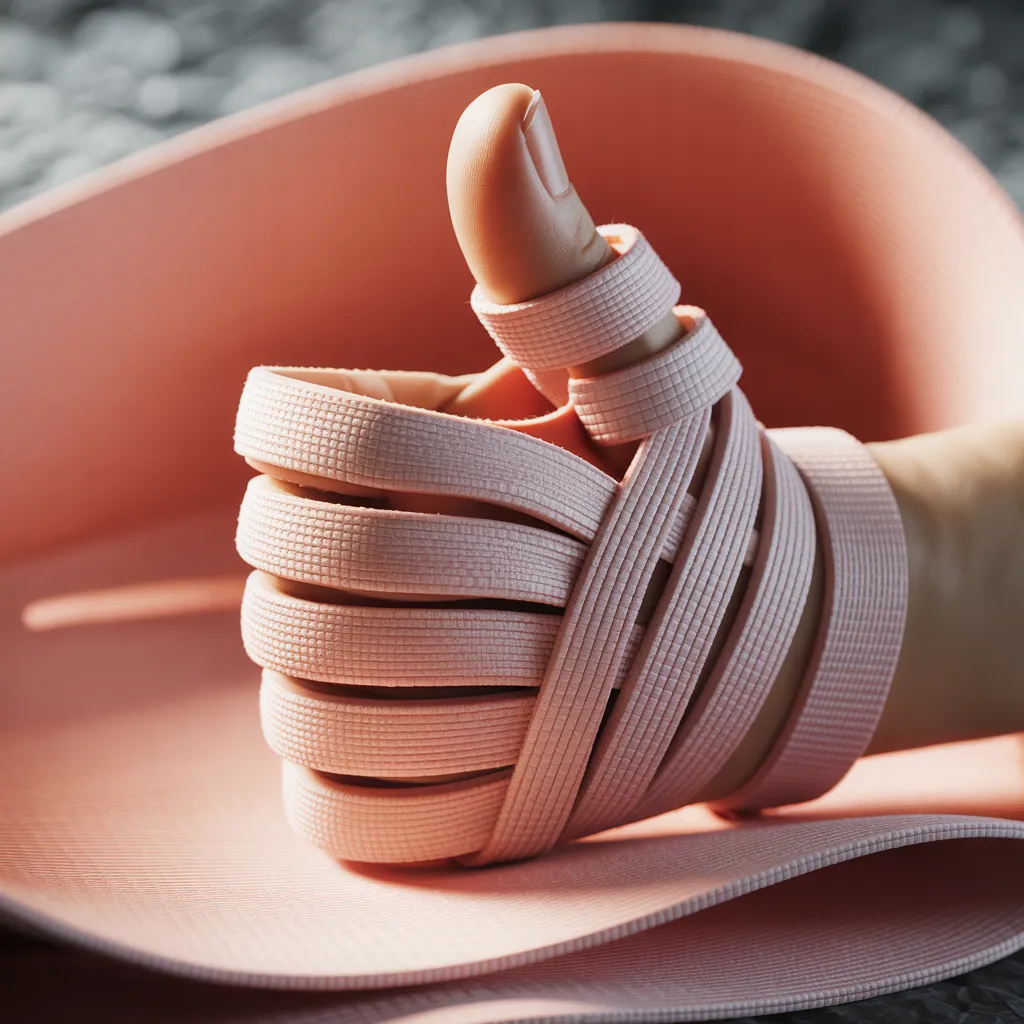
Frequent Types of Thumb Injuries You Need to Know
Thumb injuries are surprisingly common and can greatly impact daily activities. Of the many types of thumb injuries, sprains are particularly common, frequently caused by overstretching or twisting the thumb ligament. Breaks, especially of the proximal phalanx, may result from falls or direct impact, causing considerable pain and reduced function. Another common injury is tendonitis, typically resulting from repetitive motion, which can cause inflammation and discomfort. Gamekeeper's thumb, a distinct form of ligament damage, develops from excessive stress placed on the thumb's ulnar collateral ligament and is often observed in athletic settings. Dislocations can also take place, resulting in the thumb becoming misaligned and requiring prompt medical care. A thorough understanding of these common thumb injuries is key to effective prevention and care, allowing individuals to preserve their daily activities with minimal impact.
How to Detect the Signs of a Thumb Injury
How does one detect the symptoms of a thumb injury? Recognizing the symptoms is vital for timely intervention. Frequent symptoms include discomfort centered around the thumb joint, which may intensify with movement. Puffiness and bruising commonly occur alongside the injury, resulting in a visible difference between the injured and healthy thumb. Restricted movement is another key symptom; the person may find it difficult to flex or extend the thumb completely. Moreover, a snapping or grating sensation while moving the thumb can point to ligament damage. Tenderness upon touch is also a key indicator, suggesting that the region is swollen or damaged. Occasionally, the thumb may seem misshapen or displaced, especially in more serious cases. Recognizing these indicators can direct individuals to obtain proper medical assistance, ensuring proper care and rehabilitation. Early identification is key to a successful rehabilitation outcome.
Why Accurate Diagnosis Matters for Thumb Injuries
Accurate diagnosis of thumb injuries is essential, as it directly influences the course of treatment and healing results. Misdiagnosis can lead to inappropriate treatments, potentially exacerbating the damage or prolonging recovery time. For instance, distinguishing between a sprain and a fracture is essential; each requires distinct treatment approaches. A detailed evaluation, often incorporating diagnostic imaging like X-rays or MRIs, confirms that the fundamental problem is properly determined.
Additionally, identifying the seriousness of the condition helps in coordinating the essential medical materials, such as braces or splints, which promote recovery. Prompt and exact identification can also reduce prolonged issues, such as lasting pain or diminished functionality. Thus, health experts must emphasize precise evaluations to enhance healing and recover complete thumb function effectively.
Successful Rehabilitation Approaches for Thumb Injuries
Effective rehabilitation strategies for thumb injuries copyright on timely treatment, which can significantly affect recovery outcomes. Customized recovery exercises play an important role in regaining movement, while the use of therapeutic supports can provide vital stability during the healing process. Grasping these factors can enable a more effective recovery journey for individuals suffering from thumb injuries.
Significance of Early Intervention
Prompt intervention is vital for the best recovery from thumb injuries, as timely rehabilitation can significantly impact healing results. Immediate attention to thumb injuries minimizes the risk of complications, such as limited mobility or persistent pain. An initial examination by a qualified healthcare provider facilitates the correct determination of the injury's seriousness and the formulation of an effective rehabilitation plan. This proactive approach not only enhances the healing process but also promotes optimal function recovery, reducing the likelihood of long-term disability. Applying prompt rehabilitation methods can contribute to better range of motion and muscle strength, which are critical for daily activities. Consequently, prioritizing swift action is essential for achieving the best possible results in thumb injury recovery.
Tailored Rehabilitation Exercises
Recovery exercises designed exclusively for thumb injuries play a critical role in regaining function and mobility. These movements concentrate on building strength in the muscles and tendons around the thumb, which can become weakened as a result of injury. Gradual, targeted movements such as thumb flexion, extension, and opposition work to increase range of motion and minimize stiffness. Additionally, fine motor skills can be enhanced through activities like gripping small objects or using putty. Regularity in performing these exercises is essential; incorporating them into daily routines is key to achieving the best recovery outcomes. By customizing rehabilitation protocols, therapists can address individual patient needs, promoting a more efficient recovery journey. Ultimately, these tailored strategies contribute detailed information greatly to regaining full function and preventing future injuries.
The Use of Orthopaedic Supports
Multiple studies emphasize the critical role of orthopaedic supports in the recovery of thumb injuries. These supports, including splints and braces, provide stability and protection, allowing for proper healing while minimizing pain and inflammation. By restricting excessive movement, orthopaedic supports support the recuperation process and lower the chances of additional damage. They are notably helpful during the early stages of rehabilitation, ensuring that the injured area is adequately supported. Furthermore, these supports can improve the effectiveness of therapeutic exercises by encouraging correct movement patterns. Overall, the application of orthopaedic supports serves as a vital part in a comprehensive rehabilitation strategy, assisting patients in restoring function and strength to the thumb with greater success.
How to Make Use of Orthopaedic Supplies for an Effective Recovery
Utilizing orthopaedic supplies plays an essential role in the recovery process following injuries to the thumb. These medical supplies, including splints and braces, provide stabilization and limit movement, which is critical for proper healing. Proper application of these tools ensures that the thumb is adequately supported, minimizing strain on injured ligaments and muscles.
Individuals must adhere to specific guidelines for wearing the brace, such as wearing the brace for recommended time periods and fitting it properly for a comfortable fit without sacrificing support. In addition, performing recommended exercises once initial healing has occurred can enhance recovery.
Assessing the thumb's condition is crucial; any signs of heightened pain or swelling should lead to a visit to a medical professional. Furthermore, keeping hygiene around the orthopaedic equipment is important to avoid infections. Ultimately, a structured method of utilizing orthopaedic equipment can significantly support a productive rehabilitation from thumb injuries, paving the way for a restoration of normal function.
Best Orthopedic Solutions to Support Thumb Care
Selecting the most suitable orthopaedic products for thumb support plays a major role in healing and restored function following an injury. Essential products include thumb splints, which immobilize the joint to reduce pain and prevent further damage. These splints commonly include adjustable straps that provide a personalized fit, improving overall comfort throughout the recovery process.
A further key option is the thumb support brace, designed to provide stability while allowing for some movement. This can be especially helpful for individuals needing to maintain daily activities. Additionally, gel support cushions can offer extra padding and protection, decreasing the strain on affected areas.
Thermal and cold therapy wraps are also highly useful, as they help reduce swelling and enhance blood flow. Furthermore, kinesiology tape is a widely preferred solution for providing thumb support while allowing continued movement. Selecting the appropriate combination of these products can significantly contribute to a quick and successful recovery from thumb injuries.
Ways to Prevent Future Thumb Injuries
Even though thumb injuries can arise suddenly, applying preventive strategies can greatly reduce the likelihood. As a starting point, individuals should engage in proper warm-up exercises before participating in thumb-intensive activities, such as sports or manual labor. Using protective equipment, including thumb guards or braces, can offer extra cushioning and stability during high-risk activities.
Moreover, keeping good ergonomic practices while utilizing tools or equipment is vital. This entails using adaptive equipment designed to minimize strain on the thumb. Frequent breaks during repetitive activities can also aid in relieving strain on the thumb's joints.
Education on appropriate techniques for gripping and lifting objects can additionally reduce the risk of injury. Additionally, developing the nearby muscle groups through targeted exercises can improve general thumb support. By adopting these strategies, people can greatly lower the likelihood of future thumb injuries, supporting lasting joint wellness and function.
Answers to Your Most Common Questions
What Are the Most Common Causes of Thumb Injuries?
Thumb injuries are mainly caused by sports-related incidents, repetitive strain, falls, or machinery accidents. Such causes frequently result in fractures, sprains, or tendon injuries, significantly impairing thumb function and general hand movement.
How Much Time Does It Usually Take to Recover from a Thumb Injury?
Healing from a thumb injury typically ranges from a few weeks to several months, depending on the severity of the injury and the individual's overall health. Rehabilitation plays an essential role in restoring function and strength.
Do Thumb Injuries Occur More Frequently in Specific Sports?
Thumb injuries are particularly prevalent in contact sports like hockey, football, and basketball, where the risk of falls, collisions, or impacts increases. Additionally, athletic activities that involve gripping and throwing can also contribute to such injuries.
Can Injuries to the Thumb Result in Long-Term Complications?
Thumb injuries may result in lasting complications, encompassing ongoing pain, limited mobility, and instability of the joint. Timely diagnosis and effective treatment are necessary to minimize these risks and ensure the most favorable recovery for individuals impacted.
When Is It Time to Get Medical Help for a Thumb Injury?
You should seek medical attention for a thumb injury when experiencing significant pain, inflammation, limited thumb mobility, noticeable deformity, or symptoms of infection. Prompt evaluation can prevent complications and guarantee proper healing.