Rejuvenate Your Skin with Ultherapy in Malaysia
Unveil Rejuvenated Skin: Learn About the Advantages of Ultherapy, Non-Surgical Facelifts and Skin Tightening
Those pursuing youthful skin have been motivated to investigate non-surgical alternatives like Ultherapy. This innovative treatment utilizes ultrasound technology to stimulate collagen production, resulting in lifted and tightened skin. As those seek to improve their natural features without the risks of invasive procedures, the appeal of Ultherapy continues to grow. However, understanding its mechanisms and benefits is essential for anyone considering this approach to rejuvenation. What exactly can one expect from such a treatment?
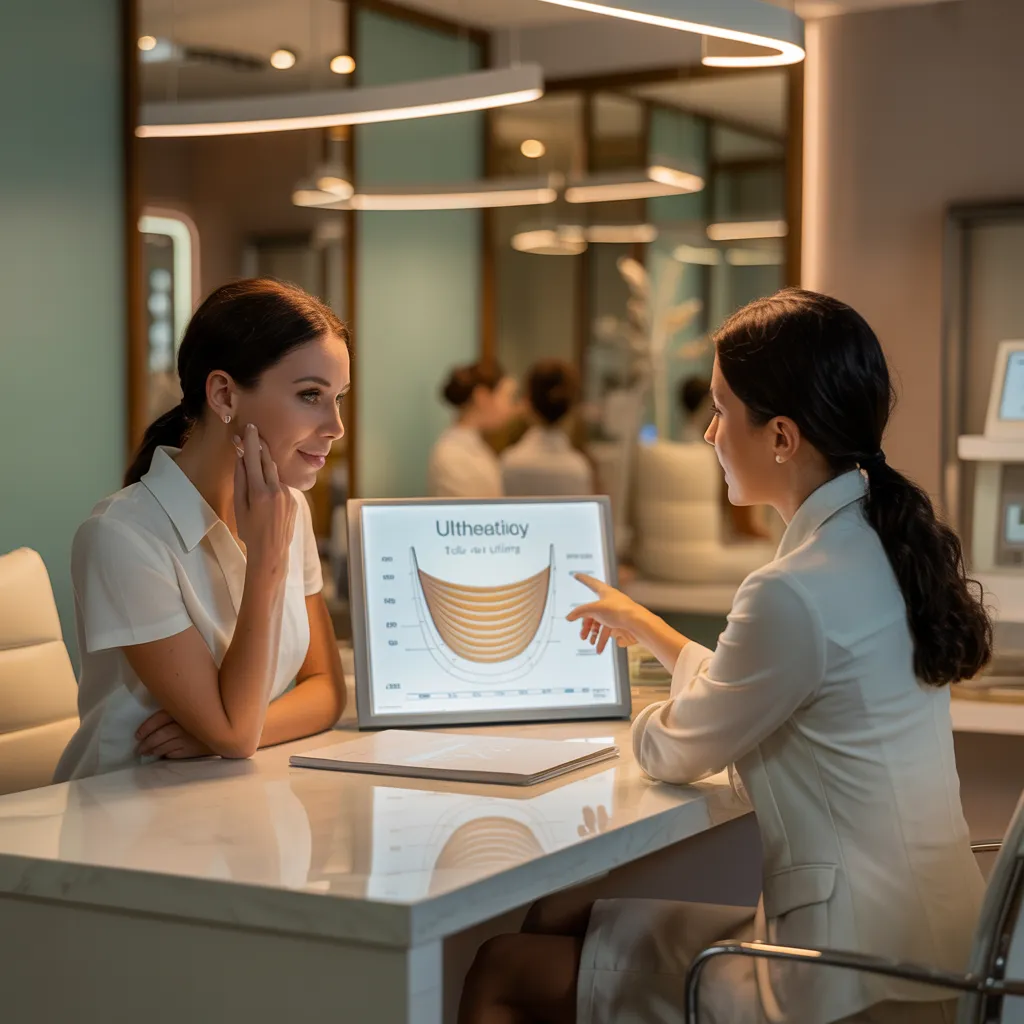
Why Non-Surgical Facelifts Are Gaining Popularity
What makes non-surgical facelifts growing in popularity among people seeking aesthetic enhancement? This trend can be traced to several factors. To begin with, non-surgical alternatives deliver minimal downtime, enabling people to return to their daily routines almost immediately after treatment. Unlike traditional facelifts, which often require substantial recovery periods, non-surgical procedures offer a more convenient solution.
Furthermore, advancements in technology have brought about more effective and safer non-invasive techniques, appealing to a broader audience. People are increasingly looking for natural-looking results that improve their features without the dramatic changes linked to surgery.
In addition, the expanding awareness of skincare and aesthetic treatments through social media has contributed to the rising demand. People are better educated on their options and are eager to explore non-surgical alternatives as a means to maintain youthful appearances. As societal norms shift towards valuing self-care and wellness, non-surgical facelifts are becoming a popular choice for many.
What Is Ultherapy and How Does It Function?
Ultherapy is a non-surgical treatment that utilizes ultrasound technology to encourage collagen production within the deeper layers of the skin. It is mainly applied to regions including the face, neck, and décolletage, addressing loose skin to create a more youthful look. Patients can look forward to observable lifting and tightening effects, with results that continue to develop over time.
Treatment Mechanism Explained
With respect to non-invasive skin tightening treatments, understanding the treatment mechanism of Ultherapy is crucial. Ultherapy leverages focused ultrasound energy to penetrate deep into the skin layers, specifically targeting the superficial musculoaponeurotic system (SMAS). This energy promotes collagen production, supporting natural skin regeneration and tightening. Unlike traditional facelifts, Ultherapy does not require surgical incisions or recovery time, making it an attractive option for those seeking effective yet subtle results. The ultrasound energy also allows practitioners to visualize tissue layers in real-time, ensuring targeted treatment delivery. Consequently, patients experience firmer, lifted skin over time, with results continuing for several months post-treatment. This innovative approach merges safety and effectiveness, reshaping non-surgical skin rejuvenation.
Target Areas for Ultherapy
Focused ultrasound energy delivered by Ultherapy effectively targets various regions of the neck and face, delivering versatile skin tightening options. This minimally invasive treatment is frequently used to elevate and firm sagging skin on the brow, which can diminish the appearance of drooping eyelids. Moreover, Ultherapy is effective in addressing fine lines and wrinkles on the jawline, neck, and décolletage. By stimulating collagen production in the deeper layers of the skin, it can enhance the complete contour of the face and neck, generating a younger-looking complexion. Patients often find Ultherapy advantageous in treating targeted zones like the chin area and cheeks, enabling personalized outcomes tailored to specific concerns and needs, without the need for surgical intervention.
Anticipated Outcomes and Advantages
The transformative power of Ultherapy is found in its ability to stimulate the body's natural collagen production through targeted ultrasound energy. This non-surgical treatment effectively lifts and tightens the skin, delivering a more youthful appearance without requiring surgery. Patients can expect gradual improvements over several months, as collagen accumulates and skin elasticity improves. Typically treated areas include the brow, neck, and décolleté, leading to a smoother, firmer complexion. Moreover, Ultherapy is suitable for multiple skin types and ages, making it a versatile option for those seeking skin rejuvenation. Minimal downtime and long-lasting results further increase its appeal, enabling individuals to attain notable aesthetic benefits while maintaining their daily routines.
Understanding Skin Tightening and Collagen Production Science
Collagen fulfills a critical purpose in preserving skin elasticity and firmness, but its production decreases with age, leading to visible signs of aging. Ultherapy employs advanced technology to stimulate collagen regeneration, delivering a non-surgical solution for skin tightening. Comprehending the science behind collagen production and the effectiveness of various non-surgical methods is crucial for those seeking to enhance their skin's appearance.
The Role of Collagen in Aging
Aging skin commonly shows the crucial role of collagen, an vital protein that offers structure and elasticity. As individuals age, collagen production inevitably decreases, leading to visible signs of aging such as wrinkles, sagging, and a loss of firmness. This decline in collagen influences the skin's ability to preserve moisture and keep its resilience. Environmental factors, such as sun exposure and pollution, additionally accelerate collagen deterioration, worsening the effects of aging. The decline in collagen not only modifies skin texture but also compromises overall skin health. Understanding collagen's role is crucial for those seeking to sustain youthful skin, as it highlights the importance of treatments and lifestyle choices intended to stimulating collagen production and preserving skin integrity.
Exploring Ultherapy Technology
Although numerous treatments claim to tighten skin, Ultherapy distinguishes itself due to its cutting-edge use of ultrasound technology. This non-surgical procedure uses focused ultrasound energy to penetrate deep into the skin layers, stimulating collagen production. By treating the foundational layer of the skin, which is commonly addressed in surgical facelifts, Ultherapy triggers the body's natural healing process. As collagen fibers restore themselves and tighten over time, patients see gradual improvements in skin elasticity and firmness. The procedure is not only successful but also safe, with minimal downtime versus surgical options. Ultherapy's precise targeting assures that the surrounding tissues remain unharmed, enabling a more comfortable experience while achieving substantial skin-tightening results.
Non-Surgical Techniques Overview
As individuals seek effective solutions for skin tightening, non-surgical approaches have risen in popularity because of their capacity to promote collagen generation and increase skin elasticity without requiring surgical intervention. Technologies such as radiofrequency, ultrasound, and laser therapies address the deeper skin layers, encouraging cell renewal and firming loose areas. These treatments work by transferring energy to activate the body's inherent healing mechanisms, encouraging collagen synthesis over time. Additionally, techniques like micro-needling and chemical peels can boost skin texture and firmness by clearing damaged surface layers and fostering new cell formation. Overall, non-invasive skin tightening alternatives deliver a safer, less intrusive alternative to standard surgical facelifts, appealing to those desiring gradual and natural-looking results.
Primary Advantages of Ultherapy for Age-Defying Skin
Ultherapy is recognized as a non-invasive solution for those seeking to refresh their appearance and restore a youthful appearance. This cutting-edge therapy employs ultrasound technology to encourage collagen synthesis, efficiently firming and lifting sagging skin. One of the key benefits of Ultherapy is its ability to address deep layers of skin without affecting the outer layer, guaranteeing reduced recovery time for patients.
Moreover, results are gradual, often developing over multiple months as the fresh collagen forms. This organic enhancement not only refreshes the skin's elasticity but also creates a gentle, rejuvenated look.
Additionally, Ultherapy is FDA-cleared, adding an extra layer of confidence for patients considering this treatment. It is compatible with various skin types and tones, making it an accessible option for many. Overall, Ultherapy delivers a trusted, effective path to achieving youthful skin without the need for invasive surgical procedures.
What Happens During an Ultherapy Session?
Throughout an Ultherapy procedure, patients can look forward to a well-structured process that typically lasts anywhere from 30 to 90 minutes, according to the treatment area. The treatment begins with a consultation, where the practitioner evaluates the patient's skin and discusses treatment goals. Following this initial discussion, the skin is cleaned, and a topical anesthetic may be applied to improve comfort.
After preparation, the practitioner uses a specialized ultrasound device to deliver targeted energy to the deeper layers of the skin. Patients may feel a mild sensation as the ultrasound energy stimulates collagen production, facilitating skin tightening. The practitioner can observe the layers of tissue in real-time, providing precise treatment.
After the treatment, patients can continue with normal activities immediately, with hardly any downtime. Some may notice slight redness or swelling, which typically subsides quickly. Overall, the session is structured to be streamlined and effective, supporting the rejuvenation of the skin.
How Does Ultherapy Compare to Other Non-Invasive Treatments?
How does Ultherapy measure up against other non-invasive treatments for skin tightening? Ultherapy employs ultrasound technology to stimulate collagen production deep within the skin, delivering a distinct approach compared to treatments like radiofrequency and laser therapies. While radiofrequency devices firm skin by heating the dermis, Ultherapy's ultrasound energy reaches more precisely, focusing on foundational layers without impacting the surface. This can lead to more pronounced lifting effects over time.
By comparison, laser treatments often focus on shallow concerns, such as pigmentation and texture, which may not offer the same tightening benefits. Moreover, Ultherapy typically requires fewer sessions for noticeable results, making it a efficient option. Yet, individual responses to treatments change; some may prefer the comfort of radiofrequency or laser alternatives. In summary, Ultherapy stands out for its focused, deep stimulation, making it a compelling choice for those seeking enduring skin tightening without surgical intervention.
Your Guide to Skin Care After Ultherapy
Caring for the skin after Ultherapy is essential to maximize results and ensure proper healing. After the procedure, it is important to keep the skin moisturized and clean. Using a gentle, non-irritating cleanser helps cleanse impurities without causing additional stress to the skin. Adding a gentle moisturizer can aid hydration and facilitate the healing process.
Solar protection is of utmost importance; using a broad-spectrum sunscreen daily defends the skin from harmful UV rays, which can slow down healing and lead to pigmentation concerns. It is recommended that patients refrain from harsh exfoliants, retinoids, and aggressive skincare treatments for at least two weeks, as these can inflame the skin.
Furthermore, keeping yourself hydrated and maintaining a well-rounded diet abundant in vitamins and antioxidants can additionally improve skin recovery. Routine follow-ups with a skincare professional can supply customized advice and confirm that the skin progressively improves after the Ultherapy procedure.
FAQ
Does Ultherapy Work for All Skin Types and Ages?
Ultherapy is typically appropriate for different skin types and ages, particularly beneficial for those looking for non-invasive lifting. However, speaking with a qualified specialist is essential to assess individual suitability depending on particular skin conditions and goals.
How Long Will Ultherapy Results Typically Last?
Ultherapy outcomes typically persist between six months to two years, based on unique skin conditions and aging processes. Regular maintenance treatments can help prolong the effects, maintaining enhanced skin appearance over time.
Does Ultherapy Come With Any Side Effects?
Ultherapy may cause temporary side effects, including gentle redness, swelling, bruising, or sensitivity within the treatment zone. These side effects usually subside within several hours to a few days, with significant complications being extremely rare.
Is Ultherapy Compatible With Other Cosmetic Treatments?
Ultherapy can indeed be combined with other cosmetic treatments, such as fillers or laser treatments. This combination improves overall results, allowing patients to obtain a more extensive and rejuvenated appearance without surgery.
What Is the Recovery Time After an Ultherapy Session?
Minimal downtime is typically involved following discover now an Ultherapy session. The majority of people can return to their regular activities right away, although some people may experience minor swelling or redness, which typically resolves within a few hours to several days.