Paternity Test Kit: Easy DNA Collection Solution for At-Home Testing
Is a Home Paternity Test Right for You? Benefits and Drawbacks
The decision to use a home paternity test is multifaceted. It offers convenience and privacy, appealing to those seeking quick answers. However, the potential for errors and psychological impacts can make things more difficult. Moreover, such tests hold no legal standing, prompting concerns regarding their validity. Recognizing these elements is critically important. What could be the most appropriate path forward for those confronted with such challenges?
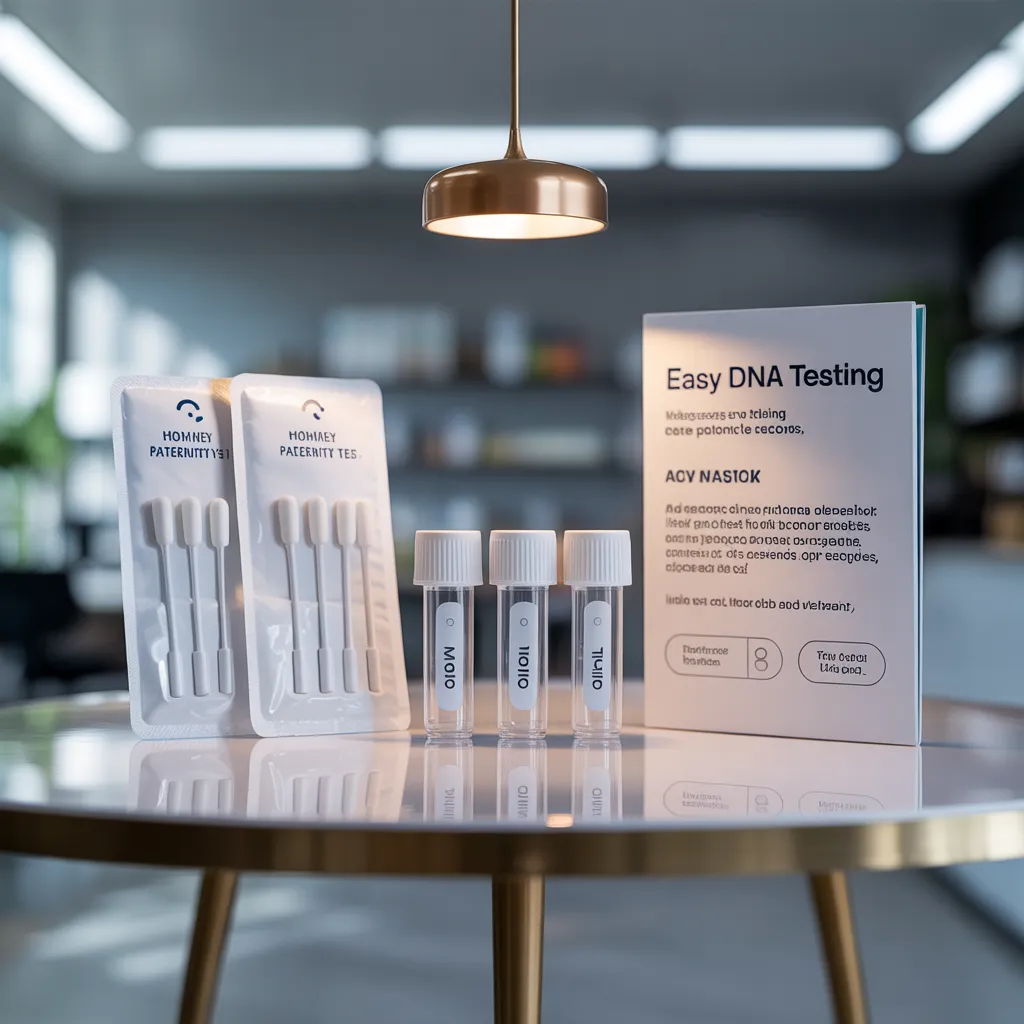
The Way Home Paternity Tests Function
Home paternity tests simplify the procedure for establishing genetic connections through a convenient approach. In most cases, these tests include obtaining DNA material from the individuals involved, typically using buccal swabs. Individuals follow the supplied directions to confirm proper sample collection and handling. After the samples are collected, they are sent to a certified lab for examination.
At the testing facility, DNA is isolated and analyzed to assess genetic similarities. The examination procedure utilizes cutting-edge methods to pinpoint markers that suggest a genetic connection. Findings are typically delivered within a short timeframe, offering answers to individuals questioning biological ties.
Whereas home paternity tests deliver ease of use and privacy, it is important for people to understand that these tests are intended for informational purposes and may not carry legal weight. Individuals seeking documented findings for legal matters may need to obtain accredited testing from certified facilities.
The Key Benefits of At-Home Paternity Testing
Why consider a home paternity test? A growing number of people appreciate the ease and discretion that these tests deliver. This type of paternity testing enables discreet sample collection, usually involving basic cheek swabs, which may be performed without the necessity of a doctor or nurse. This level of accessibility makes it easier for people to get findings at a comfortable pace and in a private and familiar space.
In addition, home tests are typically more cost-effective in comparison to laboratory tests, making them a desirable option for budget-conscious individuals. The turnaround time for results is often more rapid, often providing answers within several days.
Additionally, these tests can alleviate emotional distress by providing important resource clarity concerning paternity, which can be crucial for personal relationships and legal matters. Ultimately, at-home paternity tests offer a convenient solution for individuals in search of answers while avoiding the complexities of formal testing facilities.
The Pitfalls of Home-Based Paternity Testing
While the convenience of home paternity testing is appealing, potential risks should not be overlooked. One major issue relates to the precision of the findings. Home tests may not always adhere to the same rigorous standards as laboratory tests, which can result in inaccurate positive or negative outcomes. Moreover, inadequate sample collection methods can significantly affect the reliability of results, because improper handling or sample contamination can lead to skewed and unreliable conclusions.
Another risk involves data privacy and security. A large number of home testing kits necessitate the submission of personal information, that could be at risk of security breaches or misuse. Moreover, individuals may face unexpected emotional consequences, as results can lead to family conflicts or distress.
Additionally, the legal aspects of home paternity tests should be considered. Results from these tests may not be admissible in court, reducing their utility in legal proceedings. All things considered, while home paternity testing delivers convenience, the related risks merit serious consideration.
The Emotional and Legal Dimensions of Paternity Testing
Understanding the legal and emotional consequences of paternity DNA testing is essential for individuals contemplating a home-based test. The emotional impact from learning about unanticipated findings can be significant, influencing family bonds between parents, children, and relatives. Those involved must be prepared for possible emotions such as stress, anger, or uncertainty that could result from the testing results.
In legal terms, the implications may also be substantial. Home paternity test results may be inadmissible in court, possibly creating complications in custody or child support cases. Therefore, individuals thinking about these tests should seek legal counsel to fully understand their rights and options. Additionally, confirmed paternity may result in responsibilities related to child support and inheritance, adding another layer of complexity. At the end of the day, a thorough understanding of both the emotional and legal dimensions is vital for effectively managing the possible consequences of paternity testing.
Could a Home Paternity Test Be Right for You?
Evaluating whether a home paternity test is the right choice involves careful consideration of various factors. People considering this choice are advised to reflect on their intentions, as the emotional impact can be considerable. This type of test delivers ease of access and confidentiality, but it does not carry the legal validity of professional lab tests, which are commonly mandated in legal matters involving custody or financial support.
Additionally, accuracy is an important consideration; while most home testing options are dependable, discrepancies can occur. Users should also evaluate the potential impact on family dynamics, as test outcomes may trigger unanticipated repercussions. Furthermore, the financial value of home testing should be evaluated against the potential need for follow-up legal testing.
Ultimately, a thoughtful evaluation of personal circumstances, one's emotional state, and long-term implications is essential. Speaking with a specialist may provide further clarity, allowing individuals to make a well-informed choice about whether a at-home paternity test suits their particular needs.
Frequently Asked Questions
How Reliable Are Home Paternity Tests When Compared to Laboratory Tests?
Residential paternity tests typically offer precision rates of over 95%, similar to professional lab testing. Nevertheless, factors like the quality of the sample and testing procedures could impact results. For definitive answers, laboratory-based testing continues to be the gold standard.
Is the Privacy of Home Paternity Test Results Reliable?
Confidence in the privacy of at-home paternity test results differs by organization. Reputable providers implement rigorous confidentiality measures, but people should examine policies and client testimonials to confirm private data continues to be protected throughout the procedure.
What Is the Cost Range for Home Paternity Tests?
At-home paternity tests usually range from $100 to $500, based on the testing provider and the level of complexity involved. Extra charges may apply for expedited results or specialized testing services, affecting the total cost.
How Long Does It Take to Get Results From a Home Test?
Findings from a home paternity test generally take anywhere from three to seven days. Certain services may offer faster processing options, yielding results in as little as one to two days, based on the laboratory's processing speed.
Are At-Home Paternity Tests Permitted in All States?
Home paternity tests are generally legal in all states; however, particular rules and requirements can differ. It is important for individuals to review local laws and ensure adherence to any required legal procedures before moving forward.