Explore Hair Regrowth Treatment Malaysia for Natural Results
Best Hair Regrowth Treatments: Best Options for Denser, Healthier Hair
Hair loss may affect self-esteem and overall well-being. Numerous solutions are available to tackle this concern, with each option delivering its own set of benefits. Well-known pharmaceutical solutions such as minoxidil and finasteride are celebrated for their effectiveness. Meanwhile, natural remedies and advanced therapies are gaining traction among those seeking alternatives. Understanding the full spectrum of available solutions is essential for making informed choices. Moving forward with researching these treatments could pave the way for a more fulfilling path toward hair regrowth.
Understanding Hair Loss: Exploring Its Causes and Types
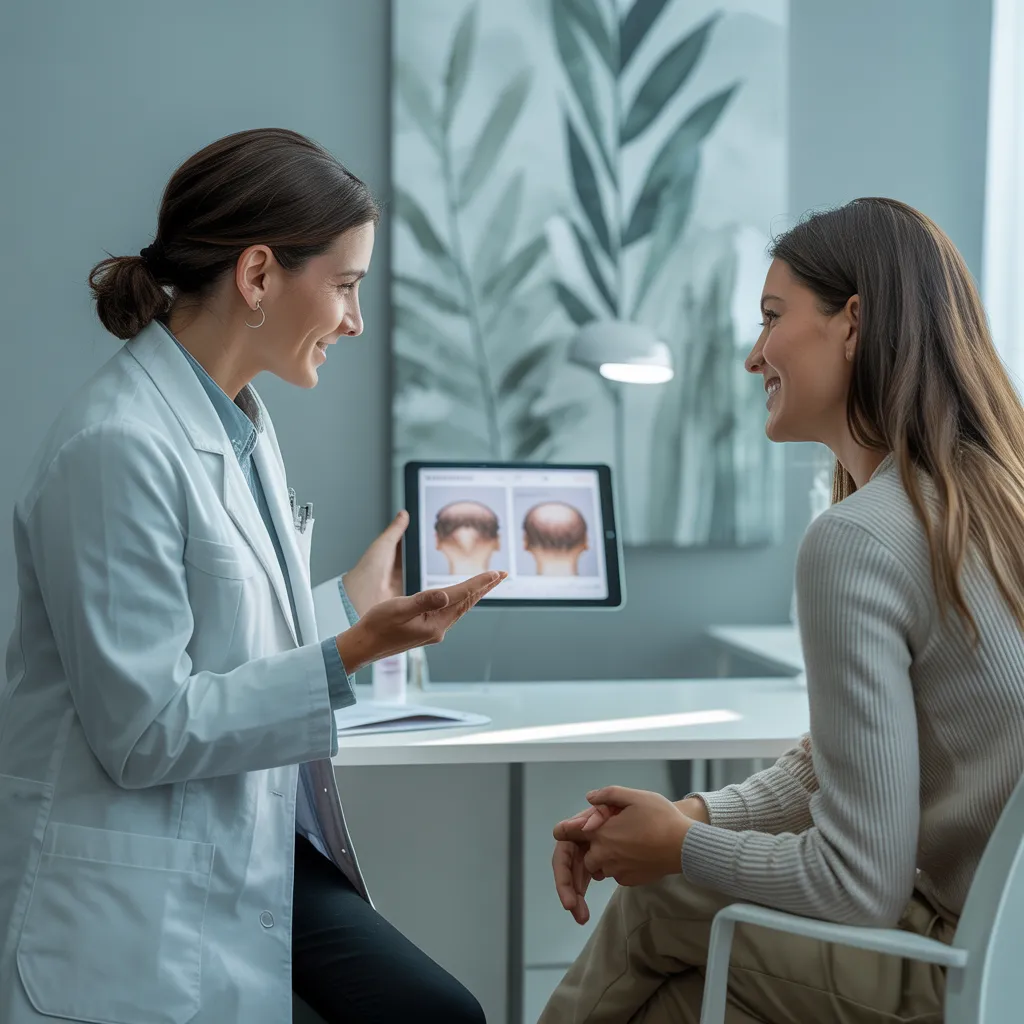
Hair shedding, a frequent problem for numerous individuals, can greatly impact a person's confidence and general well-being. Understanding its causes and types is vital for addressing this issue effectively. Genetic factors, like androgenetic alopecia, play a significant role in both male and female pattern hair loss. Hormonal fluctuations, often seen during pregnancy or menopause, can also trigger hair thinning. Moreover, medical conditions like thyroid disorders and autoimmune diseases can be contributing factors to hair loss.
External influences, including harsh chemical exposure, inadequate nutrition, and stress, can exacerbate the problem. Furthermore, specific hairstyles that strain the hair can cause traction alopecia. Recognizing the specific form of hair loss—including gradual receding, diffuse thinning, or patchy loss—supports a more precise course of action. Appreciating these differences is crucial for individuals aiming to handle their hair loss with precision.
Which Topical Hair Regrowth Treatments Work Best?
What topical solutions work best for stimulating hair regrowth? Minoxidil stands out as one of the most well-known solutions, offered in both liquid and foam varieties. This over-the-counter treatment stimulates hair follicles, boosting blood circulation and supporting hair growth. Another notable topical solution is ketoconazole shampoo, which addresses scalp conditions like dandruff while also exhibiting anti-inflammatory properties that may support hair health.
Moreover, specific essential oils, like rosemary and peppermint oil, have gained attention for their ability to promote the growth of hair through boosted scalp circulation. Botanical extracts, including saw palmetto berry, are also explored for their capacity to block DHT production, a hormone commonly associated with hair thinning and loss.
These topical treatments vary in their effectiveness among individuals; therefore, people are advised to seek guidance from a healthcare professional to identify the most appropriate treatment for their particular situation. Consistent application and patience are essential for achieving desired results.
Oral Medications for Hair Loss: Finasteride and More
Oral treatments have become an effective solution for individuals seeking to combat hair loss. Of these options, finasteride is a leading option, primarily used for androgenetic alopecia in men. This medication works by blocking the enzyme responsible for converting testosterone to dihydrotestosterone (DHT), a hormone connected to hair loss. Clinical studies have demonstrated its effectiveness in promoting hair regrowth and minimizing the development of hair thinning.
Additionally, minoxidil, though more typically employed in a topical preparation, is also offered in oral versions. It works by increasing blood supply to the hair follicles, stimulating growth. Other drugs, such as dutasteride, share similar mechanisms to finasteride but might deliver different efficacy profiles.
It's essential for patients evaluating these solutions to work with licensed physicians to assess possible adverse reactions and identify the best course of action. On the whole, prescription pills signify a notable step forward in the search for healthier, more robust hair growth.
Cutting-Edge Solutions for Hair Loss: Discovering PRP and Laser Treatments
As individuals explore multiple approaches to regrowing hair, innovative treatments have emerged alongside traditional oral medications. Within these options, Platelet-Rich Plasma (PRP) therapy and laser treatments stand out for their innovative approaches. Platelet-Rich Plasma therapy entails collecting a small volume of the patient's blood, concentrating the platelets through processing, and delivering it into the scalp. This technique aims to stimulate hair follicles and promote growth by harnessing the body's natural healing properties.
Laser therapy, on the other hand, utilizes low-intensity laser beams to stimulate blood circulation and cellular regeneration in the scalp. This non-invasive method is designed to boost hair thickness and density gradually. Both treatments have demonstrated encouraging results in clinical research, with many patients reporting positive outcomes. As awareness of these cutting-edge treatments article expands, they offer practical options for individuals looking for effective ways to address hair loss.
Examining the Effectiveness of Natural Hair Restoration Remedies
Although advanced treatments provide innovative approaches to hair loss, many individuals turn to natural remedies in search of gentler, more holistic options. Common remedies include essential oils, herbal supplements, and dietary changes, which are thought to encourage hair growth and enhance overall scalp health. Elements including rosemary oil and saw palmetto have drawn recognition for their potential benefits, with various studies proposing they might encourage hair follicle activity.
That said, the research supporting these solutions is commonly insufficient and largely anecdotal. Even though some users note beneficial effects, the inconsistent results can be influenced by factors such as the primary reason behind hair loss and one's unique physiological makeup. It's vital for users to consider these natural solutions with a grounded perspective. Seeking guidance from medical experts can help determine the most suitable treatment strategy, helping consumers arrive at educated choices about their hair restoration methods.
How to Maintain Healthy Hair Growth: Tips and Strategies
Sustaining optimal hair growth necessitates focus on both scalp care and nutrition. A well-rounded diet abundant in key nutrients and minerals can greatly support hair vitality. Additionally, efficient scalp maintenance methods play an important role in establishing the optimal conditions for optimal hair development.
Nutrition-Based Support for Growth
A nutritious diet serves a vital purpose in encouraging healthy hair growth. Essential nutrients like proteins, vitamins, and minerals are vital for preserving hair health and resilience. Including foods rich in omega-3 fatty acids, such as fish and flaxseeds, can benefit scalp condition and strengthen hair follicles. Iron and zinc, present in lean meats, legumes, and nuts, are critical for preventing hair loss. Furthermore, vitamins A, C, D, and E contribute greatly to hair health by encouraging cellular renewal and guarding against oxidative stress. Biotin, often touted as a hair-boosting nutrient, is found in eggs and whole grains, supporting keratin production. In summary, a balanced and nourishing diet is fundamental in fostering denser, more vibrant hair.
Scalp Care Practices
Proper nutrition establishes the foundation for healthy hair, but scalp care techniques are equally essential in nurturing growth. Consistent scalp massages enhance blood circulation, transporting key nutrients to hair follicles. Adding natural oils such as jojoba or coconut can moisturize and calm the scalp, combating dryness and irritation. Exfoliating the scalp once a month helps remove dead skin cells, making sure pores stay free of blockages, thus fostering a healthier setting for hair growth. Additionally, maintaining a balanced pH level is essential; opting for mild, sulfate-free shampoos can assist in achieving this. Hydration plays a critical role; consuming adequate water promotes overall scalp health. Implementing these practices can substantially improve hair vitality, leading to thicker, fuller hair over time.
Questions We Often Receive
How Long Before You Start Seeing Results From Hair Regrowth Treatments?
Generally, people may begin to see results from hair regrowth treatments within three to six months. That said, the timeline may differ depending on the treatment, personal response, and root causes of hair loss. Consistency is essential.
What Are the Possible Side Effects of Hair Regrowth Medications?
Hair regrowth therapies may produce adverse effects such as scalp sensitivity, scalp dryness, and undesired facial hair growth. In addition, some individuals report lightheadedness or changes in heart rate, although these effects vary by individual and treatment type.
Can Diet Impact Hair Growth and Regrowth Effectiveness?
Diet greatly affects hair growth and the efficacy of regrowth treatments. Foods rich in nutrients, particularly those abundant in minerals, proteins, and vitamins, can enhance hair health and promote stronger, thicker regrowth when used alongside the right treatments.
Does Heredity Cause Hair Loss and Can Treatments Provide Relief?
Hair loss is often hereditary driven by inherited genetic traits. Various treatments may help mitigate its effects, encouraging regrowth and enhancing overall hair density, though individual results can vary considerably based on specific circumstances.
What Lifestyle Changes Can Support Hair Regrowth Efforts?
Incorporating a healthy diet abundant in vitamins, controlling stress through mindfulness practices, getting adequate sleep, and limiting heat styling may greatly aid hair regrowth efforts, promoting more robust follicles and comprehensive hair health among people suffering from hair loss.