Ankle Stabilizer for Injury Recovery
Ankle Support Advancements: The Newest in Orthopaedic Supply Technology
Recent advancements in ankle stabilisation technology have significantly transformed the landscape of orthopaedic products. Enhanced stability and comfort are now realised through innovative materials and designs. Elements including moisture-managing fabrics and customisable straps address individual needs. In addition, the incorporation of smart technology delivers unprecedented insights into ankle joint performance. As these advancements continue to emerge, their influence on both professional athletes and everyday individuals raises important questions about the future of ankle support.
How Ankle Supports Prevent Common Injuries
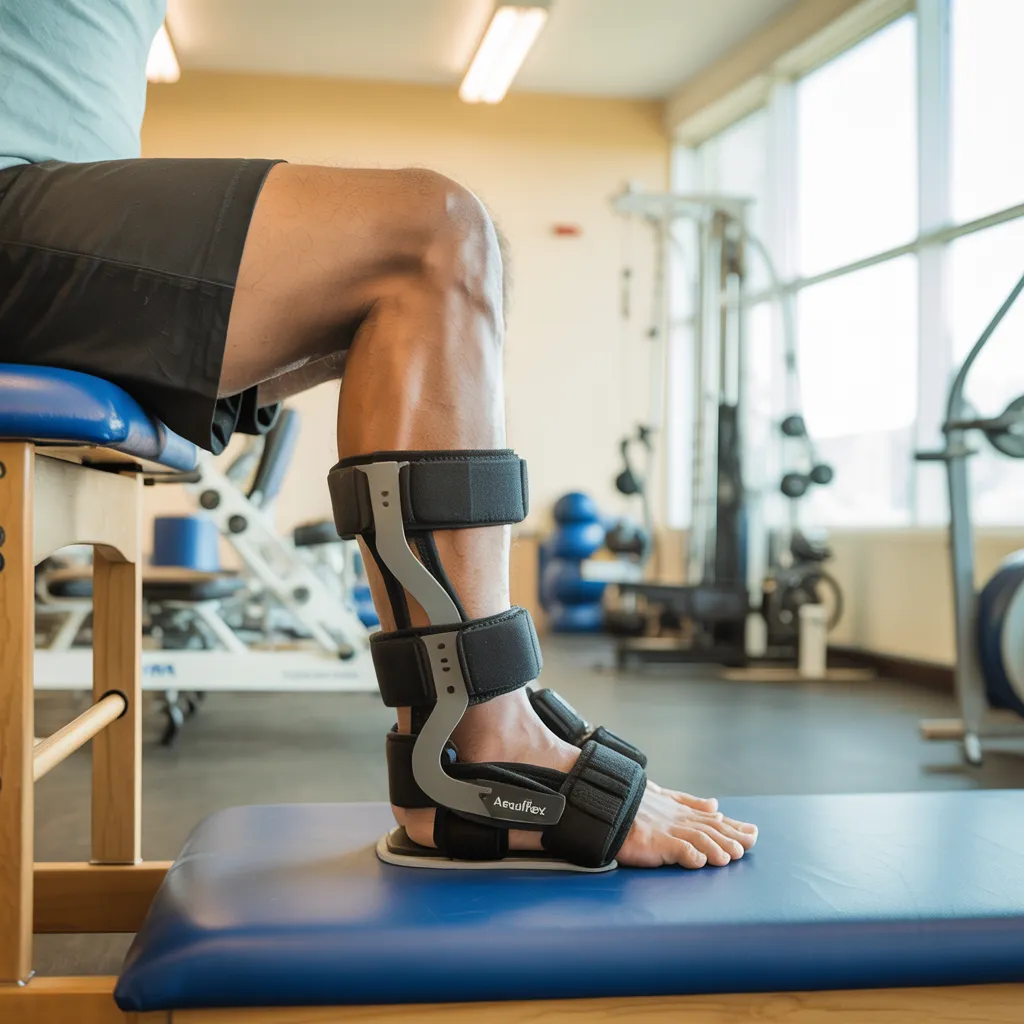
Ankle supports play an essential role in preventing common injuries, particularly during physical activities that place significant stress on the joint. Such supports offer stability by controlling excessive motion, which is crucial for athletes and those participating in high-impact sports. The design of ankle supports often incorporates elements that help distribute pressure evenly, lowering the chances of sprains and strains. By ensuring proper joint alignment during physical activities, they safeguard ligaments and tendons against overstretching.
Furthermore, ankle supports can boost sensory awareness of joint position, allowing users to more effectively perceive the placement of their ankle joint. Such heightened awareness can lead to improved physical stability and coordination, thereby reducing the risk of injury. Furthermore, they can offer healing advantages, such as consistent compression, which may decrease swelling and support the recovery process. Overall, the strategic use of ankle supports can be an reliable preventive approach against frequently occurring ankle injuries, supporting safer participation in various physical activities.
Critical Features to Look For in Ankle Support
When selecting the best ankle support, multiple important factors heavily affect its efficacy. Initially, the level of compression is vital, as it helps stabilize the ankle joint while reducing swelling. Adjustable straps or closures deliver a tailored fit, fitting a wide range of ankle sizes and shapes. Fabric breathability is equally important; a durable yet breathable fabric boosts comfort during long-term wear.
Furthermore, a lightweight design enhances ease of movement, making it appropriate for both athletic and everyday activities. The ankle support should also provide proper rigidity to limit excessive movement without compromising flexibility.
Finally, think about the style of assistance—whether it's a brace, wrap, or sleeve—as every type offers its own unique benefits. By focusing on these critical elements, individuals can choose an ankle brace that meets their specific needs, supporting improved healing and preventing future injuries.
Revolutionary Ankle Support Technologies: How Smart Tech Is Transforming the Game?
How is modern technology revolutionizing ankle support? The incorporation of advanced technology into ankle support devices is transforming the way people manage and recover from injuries. Smart wearable sensors currently track real-time information, including pressure distribution and joint movement, allowing users to obtain customized feedback and monitor their recovery journey. Such developments permit responsive changes to support levels depending on activity, boosting both comfort and physical performance.
Additionally, various ankle supports include smart applications that offer detailed analytics, allowing users analyze their physical activity patterns and recovery stages. This information-driven method enables athletes and patients alike to make informed decisions regarding their training and rehabilitation routines. As wearable technology progresses, the potential for enhanced injury prevention and recovery strategies becomes ever more important, representing a revolutionary change in the domain of orthopedic treatment.
Breathable Textiles vs. Traditional Materials: Which Is More Effective for Ankle Support?
The distinction between breathable fabrics and conventional materials for ankle support revolves around key factors such as durability, moisture-wicking properties, and comfort throughout physical activity. Breathable fabrics commonly perform exceptionally well in moisture management, boosting comfort levels while decreasing irritation. By comparison, traditional materials may offer superior durability, prompting inquiries regarding their performance across different conditions.
Moisture-Wicking Properties Discussed
Although conventional materials such as cotton and polyester have historically dominated ankle support products, innovations in moisture-wicking fabrics are reshaping the landscape of athletic gear. These cutting-edge fabrics are engineered to pull moisture away from the skin, promoting a drier and more comfortable experience during physical activity. As opposed to standard fabrics that hold onto sweat, moisture-wicking materials quickly evaporate moisture, reducing the risk of chafing and irritation. This quality is especially advantageous for athletes and active people who need extended use of ankle support. Additionally, the enhanced breathability of these fabrics helps regulate temperature, ensuring peak comfort. As a result, moisture-wicking options are becoming increasingly popular among consumers seeking effective and comfortable ankle support solutions.
Durability And Longevity Assessments
Longevity plays a vital role in evaluating ankle support materials, especially when comparing breathable fabrics to traditional options like cotton and polyester. Breathable materials, frequently developed with high-performance synthetic fibers, exhibit outstanding resilience against general wear, making them more suitable for high-impact activities. These materials are designed to withstand repeated stress while retaining their structural composition across time. In contrast, standard fabrics including cotton and polyester, while broadly adopted, may break down sooner as a result of moisture retention and limited flexibility. The durability of breathable materials can also be credited to their effectiveness in resisting mold and bacterial growth, thereby strengthening their overall longevity. Ultimately, the choice of material considerably affects the lifespan and effectiveness of ankle support devices.
Levels of Comfort During Activity
Numerous athletes and active individuals place a high priority on comfort when choosing ankle support, as it can greatly influence performance and overall experience. Ventilated fabrics, such as mesh and sweat-wicking materials, provide enhanced airflow, minimizing sweat buildup and encouraging a cooler setting during vigorous activities. Such characteristics can reduce skin irritation and discomfort, making them a preferred choice for long-term wear. On the other hand, conventional materials such as neoprene may provide firmer support but tend to trap heat, leading to discomfort in warmer conditions. Selecting between breathable fabrics and conventional materials depends on personal needs; athletes engaged in high-intensity sports may favor breathable options, while those requiring extra stability might opt for more conventional materials. Ultimately, comfort is key to effective ankle support during activity.
How Adjustable Braces Offer Customized Ankle Support
Adjustable braces offer a tailored solution for individuals seeking optimal ankle stability, as they can be customized to address the unique demands of every wearer. These devices incorporate an assortment of velcro, straps, and buckles, allowing users to achieve their preferred degree of stabilization and compression. This adaptable method allows wearers to can adapt the brace to their personal activity demands, no matter if it entails everyday tasks or intense sports.
Additionally, adjustable supports can accommodate a wide variety of foot sizes and shapes, making them suitable for a broad range of wearers. By offering focused support, they assist in alleviating discomfort and minimize the risk of injury during physical activities. The capacity to readily adjust the fit further promotes compliance, prompting wearers to use the brace consistently. Consequently, adjustable braces represent a major advancement in ankle stabilization technology, elevating both functionality and the overall user experience while prioritizing individual needs.
Case Studies on Ankle Support Effectiveness
Numerous research studies showcase the impact of different ankle support products in improving stability and lowering injury rates. Research conducted on sports participants indicated that using ankle braces notably lowered the rate of sprains in the course of high-intensity sports. During a controlled investigation, 70% of respondents wearing supportive braces reported fewer re-injuries in comparison to those who did not use ankle support.
Additionally, a controlled trial examining individuals rehabilitating after ankle injuries revealed that those utilizing rigid supports saw a quicker return to their daily routines. The results suggested that improved proprioception and immobilization delivered by these supports resulted in better recovery times.
In addition, analyses of common users, like those dealing with persistent ankle weakness, revealed that continuous wearing of adjustable braces contributed to greater confidence in movement and a marked reduction in falls. Combined, these studies present persuasive data that adequate ankle stabilization can fulfill a vital purpose in rehabilitation and injury prevention alike.
Ankle Support Advancements: Athletes vs. Everyday Users
The demands of both athletes and everyday individuals for ankle support highlight different design priorities. The demands of athletic performance emphasize both stability and responsiveness, while daily mobility requirements emphasize usability and comfort. Innovations in customization and fit options accommodate these diverse needs, improving the effectiveness of ankle support for each group.
Athletic Performance Requirements
Sportspeople commonly experience distinct performance requirements that demand specialized ankle support innovations, distinguishing their needs from those of everyday users. These athletes participate in demanding physical activities that require improved stability, adaptability, and responsiveness from their ankle support systems. Developments such as light composite materials, sophisticated strapping methods, and precise compression have emerged to address these particular needs. For instance, some ankle braces incorporate responsive support systems that accommodate diverse motions, enabling sportspeople to sustain optimal performance while reducing the risk of injury. Furthermore, moisture-control fabrics and airy constructions improve comfort throughout extended wear. Ultimately, the emphasis on performance-centered innovations guarantees that athletes can push their limits while shielding their ankles from the pressures of demanding training and competitive events.
Common Mobility Necessities
Numerous people navigating everyday life need ankle support advancements that prioritize comfort and stability over the high-performance features favored by athletes. For those with everyday needs, the focus turns toward products that alleviate discomfort and minimize the risk of injury during everyday activities such as walking, standing, or light exercise. Innovations in materials and design have resulted in lighter, more breathable options that offer essential support without limiting mobility. In addition, these supports often include adjustable elements to adapt to varying levels of swelling or fatigue throughout the day. While athletes may need advanced stabilization and performance enhancements, everyday users are best served by solutions that elevate their overall quality of life, allowing them to engage in daily tasks with confidence and a lower chance of injury.
Personalization and Fit Choices
Customization and fit choices play a critical role in improving the efficiency of ankle supports for both athletes and everyday users. Athletes need specialized options that align with their particular sports and intensity levels, often opting for adjustable features that offer both support and freedom of movement. In contrast, everyday users typically prioritize comfort and ease of wear, seeking supports that seamlessly integrate into daily activities. Advances in materials and design technology have enabled manufacturers to produce items that meet these wide-ranging demands, guaranteeing a close fit without compromising flexibility. Adjustable straps, multiple compression settings, and diverse size options further enhance the user experience, helping people identify the most suitable support for their individual demands, thereby maximizing both performance and comfort.
What Does the Future Hold for Ankle Support Technology?
The evolution of ankle support technology presents remarkable developments that are likely to boost performance and recovery. Emerging materials, including smart fabrics embedded with sensors, are designed to track movement in real time and provide feedback to users. This advancement is designed to reduce the risk of injuries by notifying athletes of potentially harmful movements.
Furthermore, 3D printing technology is expected to transform tailored ankle brace solutions, making possible customized designs that accommodate specific anatomical demands. This could improve effectiveness and comfort, rendering conventional, generic alternatives outdated.
In addition, advancements in biomechanical research may give rise to supports that dynamically adjust their structural resistance based on movement intensity, offering both structural integrity and range of motion. As researchers continue to explore these avenues, the infusion of machine learning in recovery programs could greatly enhance recuperation timelines. Overall, the merging of these innovations points toward a bright future for ankle stabilization technologies, improving both sports performance and injury protection.
Questions We Often Receive
How Do I Choose the Right Size for Ankle Supports?
To determine the right size for ankle support products, measure the ankle circumference at the narrowest point. Consult the manufacturer's sizing chart, guaranteeing a secure fit without restricting blood flow or mobility for maximum support.
Can Ankle Supports Be Worn During Sleep?
Ankle braces may be used during sleep, but comfort and fit are essential. They may provide stability and reduce swelling, yet extended wear should be carefully observed to avoid limited circulation or irritation.
What Are the Potential Risks of Using Ankle Supports Long-Term?
Extended use of ankle braces has jump in the potential to cause muscular deterioration, decreased proprioception, and dependence on the brace. Appropriate assessment and intermittent breaks from support are critical to maintain strength and function in the ankle joint.
When Should I Replace My Ankle Support?
Ankle braces typically need to be replaced every six to twelve months, depending on usage and wear. Periodic examinations help maintain proper support and protect against injuries resulting from worn materials.
Are Ankle Supports Too Restrictive for Movement?
Ankle supports can restrict movement to varying degrees, based on their design and intended purpose. Whereas some options deliver substantial stability, others allow for more mobility, striking a balance between support and flexibility to meet the unique needs and physical demands of each user.