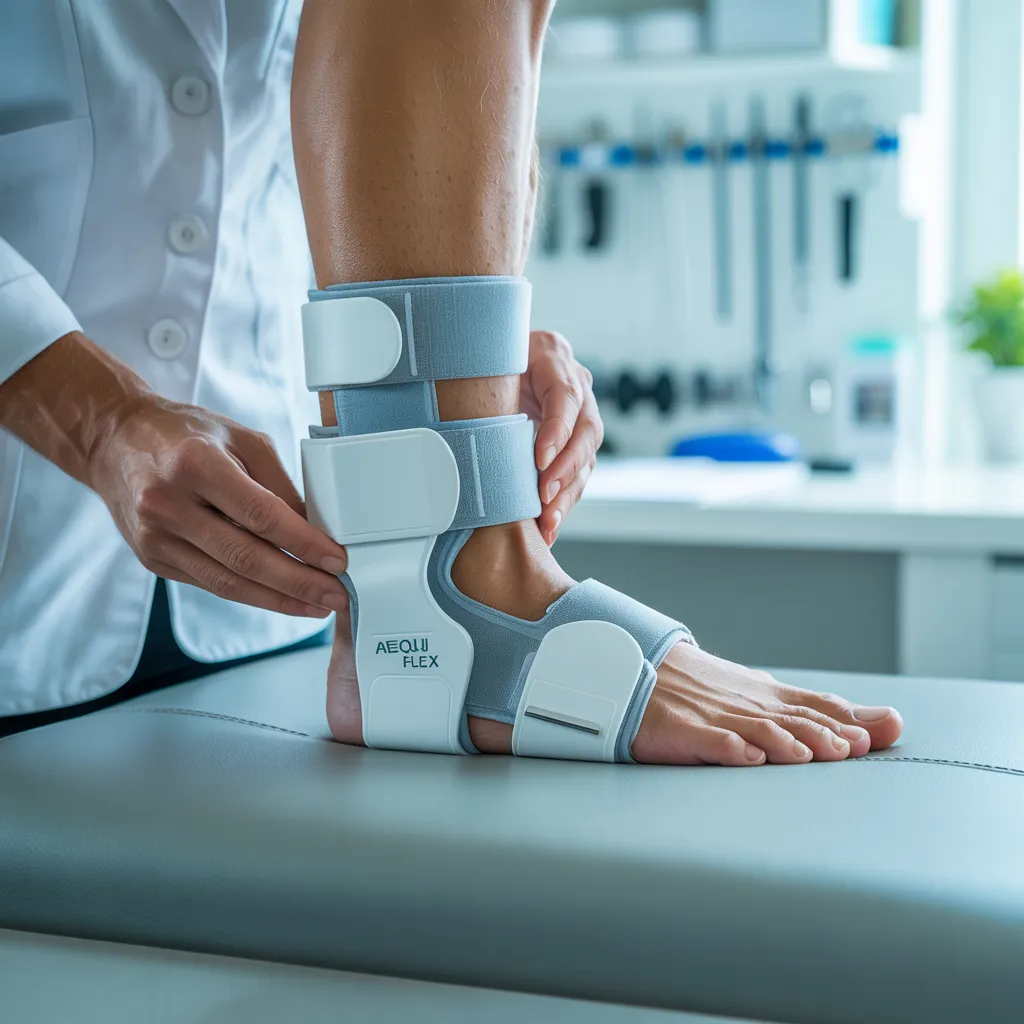
Aequi Flex Ankle Brace for Sprains
Ankle Support Discoveries: Cutting-Edge Orthopaedic Supply Technology
Recent advancements in ankle support technology have greatly reshaped the landscape of orthopaedic equipment. Greater stability and comfort are now achieved through advanced materials and designs. Elements including moisture-managing fabrics and customisable straps cater to personal requirements. Furthermore, the incorporation of smart technology provides remarkable data into ankle joint performance. As these developments take shape, their influence on both professional athletes and everyday individuals generates meaningful discussion about the evolution of ankle support solutions.
How Ankle Braces Help Prevent Frequent Injuries
Ankle supports are critically important in preventing common injuries, particularly during physical activities that place significant stress on the joint. Such supports offer stability by controlling excessive motion, which is essential for sportspeople and individuals involved in high-impact activities. Ankle supports are frequently designed with features that promote even pressure distribution, reducing the risk of sprains and strains. By maintaining proper alignment during activities, they protect ligaments and tendons from overstretching.
Additionally, ankle supports can improve sensory awareness of joint position, enabling users to better sense the placement of their joint. This awareness can contribute to improved coordination and balance, additionally minimizing the risk of injury. Additionally, they can offer rehabilitative advantages, such as compression, which may minimize inflammation and accelerate healing. In summary, the thoughtful incorporation of ankle supports can be an effective preventive measure against common ankle injuries, contributing to safer participation in diverse sporting and physical activities.
Important Features to Seek in Ankle Supports
When choosing the ideal ankle support, multiple important factors heavily affect its efficacy. Initially, the level of compression is vital, as it works to stabilize the ankle joint while decreasing swelling. Adjustable straps or closures offer personalized fit, adapting to different ankle sizes and shapes. Material breathability is also important; a sturdy yet breathable material improves comfort during extended use.
Furthermore, a lightweight design promotes unrestricted movement, making it ideal for athletic pursuits and daily wear. The ankle support needs to provide sufficient rigidity to limit unwanted motion without hindering range of motion.
Lastly, evaluate the kind of assistance—whether it's a wrap, sleeve, or brace—as each option fulfills a distinct function. By focusing on these essential features, people can select an ankle brace that aligns with their personal needs, encouraging faster recovery and reducing injury risk.
Cutting-Edge Ankle Support Technologies: How Smart Tech Is Redefining the Game?
In what ways are cutting-edge technologies reshaping ankle support? The fusion of intelligent technology into ankle support devices is changing how individuals handle and recover from injuries. Smart wearable sensors currently track real-time information, including pressure distribution and joint movement, allowing users to obtain customized feedback and monitor their recovery journey. These advancements allow for proactive adjustments to support levels based on activity, enhancing both comfort and performance.
Additionally, various ankle supports incorporate integrated apps that offer insights and analytics, assisting users analyze their activity patterns and rehabilitation progress. This evidence-based strategy allows users and athletes to make informed decisions about their training and rehabilitation routines. As cutting-edge technology develops, the opportunity for improved injury management and rehabilitation approaches becomes progressively more impactful, signaling a groundbreaking transition in the realm of orthopedic medicine.
Breathable Fabrics vs. Traditional Materials: Which Is Better for Ankle Support?
The comparison between breathable fabrics and traditional materials for ankle support revolves around key factors such as moisture-wicking properties, durability, and comfort during physical activity. Breathable fabrics often excel in moisture management, enhancing comfort and reducing irritation. By comparison, traditional materials may offer superior durability, sparking debate about their lasting effectiveness under varying conditions.
Understanding Moisture-Wicking Properties
Although conventional materials such as cotton and polyester have historically dominated ankle support products, innovations in moisture-wicking fabrics are reshaping the landscape of athletic gear. These advanced textiles are designed to draw moisture away from the skin, encouraging a dryer and more pleasant experience throughout physical activity. Unlike conventional fabrics that can retain sweat, moisture-wicking textiles rapidly eliminate moisture, reducing the risk of chafing and irritation. This characteristic proves especially valuable for sportspeople and active individuals requiring long-term ankle support use. Additionally, the enhanced breathability of these fabrics helps regulate temperature, ensuring peak comfort. Therefore, moisture-wicking choices are growing in popularity among individuals searching for reliable and comfortable ankle support solutions.
Durability And Longevity Comparisons
Durability plays an essential role in determining the quality of ankle support materials, especially when measuring breathable fabrics against traditional alternatives like cotton and polyester. Breathable fabrics, often engineered with advanced synthetic fibers, exhibit exceptional durability against wear and tear, making them better suited for demanding physical activities. These textiles are engineered to handle continuous strain while retaining their structural composition across time. In contrast, relevant resource standard fabrics including cotton and polyester, while broadly adopted, may deteriorate more quickly because of moisture buildup and insufficient elasticity. The extended lifespan of breathable textiles can also be credited to their effectiveness in resisting mold and bacterial growth, thereby strengthening their overall longevity. Ultimately, the selection of fabric significantly impacts the durability and functionality of ankle support solutions.
Activity Comfort Levels
A great number of athletes and active individuals consider comfort a top priority when picking ankle support, as it can greatly influence overall performance and experience. Breathable fabrics, such as mesh and moisture-wicking materials, deliver better airflow, minimizing sweat buildup and encouraging a cooler setting during vigorous activities. Such characteristics can reduce skin irritation and discomfort, making them ideal for extended use. On the other hand, conventional materials such as neoprene may provide firmer support but tend to trap heat, resulting in discomfort during warmer conditions. Selecting between breathable fabrics and conventional materials depends on personal needs; athletes engaged in high-intensity sports may favor breathable options, whereas those who need greater stability may select more conventional options. In the end, comfort remains essential to effective ankle support during physical activity.
The Way Adjustable Braces Offer Customized Ankle Support
Adjustable braces provide a tailored solution for individuals seeking proper ankle stabilization, as they can be customized to fit the specific needs of each user. These braces utilize a variety of buckles, straps, and velcro, permitting individuals to attain the optimal amount of stabilization and compression. This customizable approach allows wearers to can adapt the brace to their specific activity needs, no matter if it entails rigorous sports or daily tasks.
In addition, adjustable supports can accommodate different foot sizes and shapes, rendering them appropriate for a broad range of wearers. Through the provision of targeted support, they help alleviate discomfort and lower the risk of injury during physical activities. The capacity to readily adjust the fit also promotes compliance, encouraging users to wear the brace consistently. Consequently, adjustable braces signify a notable advancement in ankle support technology, enhancing both functionality and user experience while prioritizing individual needs.
Research Studies on Ankle Support Efficacy
Multiple investigations showcase the effectiveness of different ankle support solutions in boosting structural integrity and minimizing the likelihood of injuries. Investigations carried out with sports participants demonstrated that using ankle braces markedly reduced the incidence of sprains while engaged in high-intensity sports. In a clinical trial, seventy percent of respondents equipped with supportive braces noted fewer recurring injuries relative to those who did not use ankle support.
In addition, a controlled trial involving individuals healing from ankle injuries revealed that those using rigid supports reported a quicker return to regular activities. The results suggested that improved proprioception and immobilization offered by these supports led to accelerated recovery times.
Moreover, case studies involving common users, like individuals with persistent ankle weakness, indicated that continuous wearing of adaptable ankle braces contributed to increased confidence in mobility and a significant decrease in falls. Combined, these studies present convincing proof that adequate ankle stabilization can serve a critical function in preventing injuries and supporting recovery.
Ankle Support Advancements: Athletes vs. Everyday Users
The demands of both athletes and everyday individuals for ankle support highlight different design priorities. Performance requirements for athletes center around responsiveness and stability, while everyday mobility needs stress ease of use and comfort. Innovations in customization and fit options address these varying requirements, enhancing the effectiveness of ankle support for both categories of users.
Athletic Performance Demands
Professional athletes commonly experience unique performance demands that demand advanced ankle support solutions, differentiating their needs from those of regular users. Such sportspeople engage in rigorous athletic pursuits that call for improved stability, adaptability, and responsiveness from their ankle support systems. Advancements including reduced-weight materials, refined strapping techniques, and focused compression have been developed to meet these specific requirements. To illustrate, various ankle braces utilize responsive support systems that accommodate diverse motions, permitting athletes to preserve top-level performance while reducing the risk of injury. Furthermore, sweat-managing materials and ventilated designs enhance comfort during prolonged use. In summary, the attention to performance-centered innovations confirms that sportspeople can exceed their boundaries while protecting their ankles from the demands of intense training and competition.
Daily Mobility Requirements
A great number of people going through everyday life seek ankle support innovations that prioritize comfort and stability over the high-performance features desired by athletes. For these everyday users, the focus turns toward products that ease pain and minimize the risk of injury during routine activities such as walking, standing, or light exercise. Progress in materials and design have led to lighter, more breathable options that offer essential support without limiting mobility. Additionally, these supports often feature adjustable elements to accommodate varying levels of swelling or fatigue throughout the day. While athletes typically seek advanced stabilization and performance enhancements, everyday users are best served by solutions that improve their overall quality of life, enabling them to engage in daily tasks with confidence and a lower chance of injury.
Custom Fit and Tailoring Options
Customization and fit options play a pivotal role in enhancing the effectiveness of ankle supports for athletes and everyday individuals alike. Athletes need specialized options that accommodate their specific sports and levels of intensity, commonly selecting adaptable features that deliver both structural stability and dynamic flexibility. Meanwhile, everyday users generally focus on comfort and wearability, seeking supports that seamlessly integrate into daily activities. Developments in material science and design technology have empowered manufacturers to produce items that meet these wide-ranging demands, ensuring a snug fit without sacrificing mobility. Adjustable straps, multiple compression settings, and diverse size options continue to elevate the wearer's experience, helping people identify the most suitable support for their individual demands, thereby maximizing both performance and comfort.
What's Next for Ankle Support Technology?
The advancement of ankle support technology offers significant advancements that are likely to boost athletic performance and rehabilitation. Innovative materials, including intelligent fabrics integrated with sensors, are anticipated to analyze motion in real time and deliver insights to athletes. This innovation seeks to minimize injury occurrences by warning athletes about dangerous motion patterns.
Furthermore, 3D printing technology is anticipated to reshape custom ankle braces, allowing for individualized designs that accommodate unique anatomical requirements. This has the potential to improve overall comfort and performance, leaving standard, one-size-fits-all options behind.
Furthermore, developments in biomechanics may give rise to supports that intelligently adapt their firmness based on physical demands, offering both firmness and mobility. As researchers continue to examine these pathways, the incorporation of AI technology in recovery programs could further optimize recuperation timelines. Overall, the merging of these technologies indicates a transformative period for ankle care innovations, enhancing both athletic performance and injury prevention.
Commonly Asked Questions
How Can I Select the Correct Size for Ankle Supports?
To determine the appropriate size for ankle supports, measure the ankle circumference at the narrowest point. Check the manufacturer's size guide, guaranteeing a secure fit without limiting circulation or movement for optimal support.
Are Ankle Supports Suitable for Wearing During Sleep?
Ankle support devices are suitable for use during sleep, but ensuring comfort and a good fit is important. These supports can offer stability while helping to minimize swelling, yet extended wear should be carefully observed to avoid limited circulation or irritation.
Are There Any Risks of Using Ankle Supports Long-Term?
Prolonged reliance on ankle supports can result in weakened muscles, diminished proprioception, and reliance on the support. Appropriate assessment and intermittent breaks from support are critical to sustain optimal strength and performance in the ankle joint.
How Frequently Should I Replace My Ankle Support?
Ankle supports are usually recommended for replacement every six months to a year, according to the extent of use and deterioration. Regular inspections help guarantee ideal support and prevent potential injuries caused by worn-out materials.
Do Ankle Supports Restrict Movement Too Much?
Ankle support devices can reduce mobility to various levels, based on their design and intended purpose. While some provide significant stabilization, others permit greater freedom of movement, balancing support and flexibility to accommodate individual needs and activity levels.