Advancements in Breast Augmentation Malaysia
Elevate Your Self-Esteem: The Ultimate Guide to Breast Augmentation
Choosing breast augmentation is a significant choice for countless individuals seeking to enhance their appearance and boost their self-esteem. Grasping the important factors, types of implants, and the recovery process is critical. This article delivers important insights into what one can look forward to before, during, and after the surgery. As individuals ponder this life-changing journey, they must think about how these options will shape their self-esteem and personal image going forward.
Vital Factors for Breast Augmentation
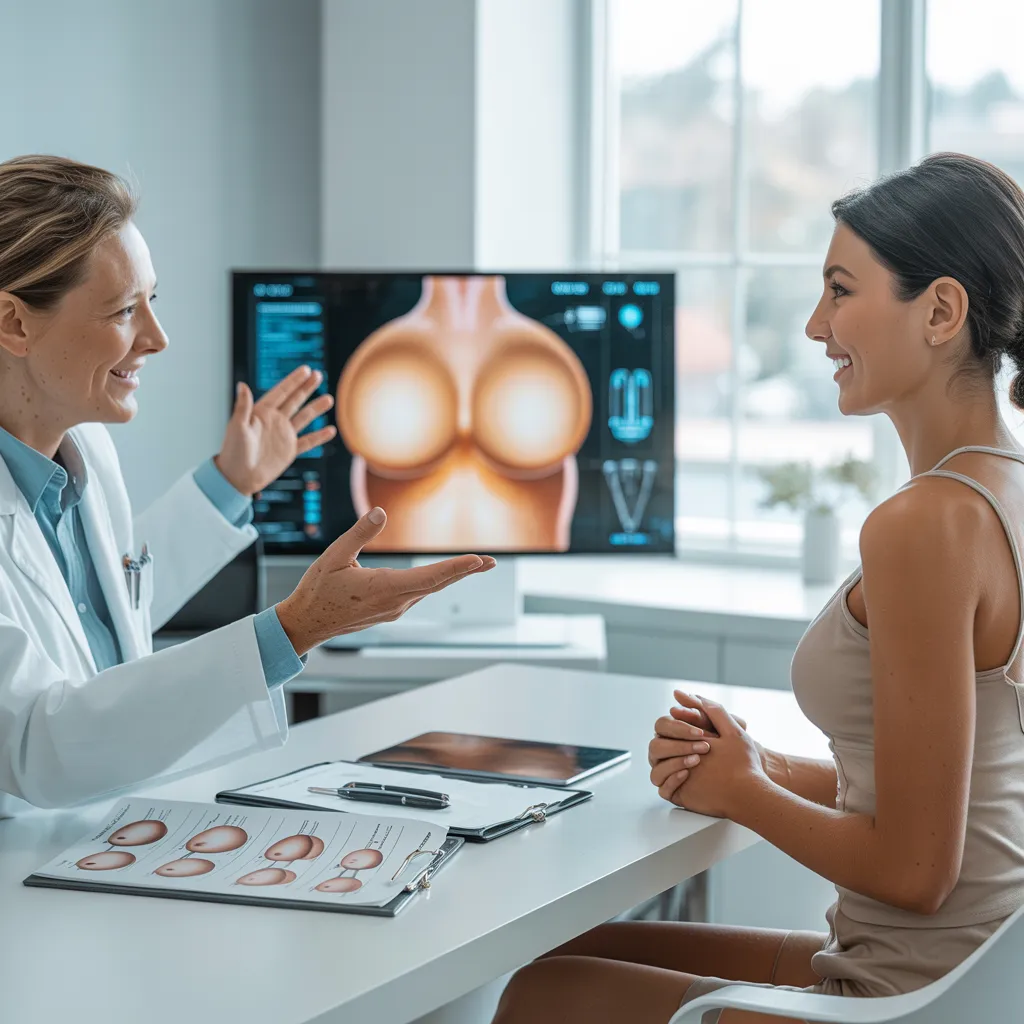
When thinking about breast augmentation, people need to evaluate various important factors to secure a satisfactory outcome. To begin with, they should evaluate their motivations for the procedure, ensuring that the desire for enhancement arises from personal reasons rather than external pressures. Understanding the potential risks and complications linked to surgery is critical; this includes recognizing the importance of choosing a qualified surgeon with a proven track record.
In addition, candidates should consider their present health status and any underlying medical conditions that may complicate the surgery or recovery. Maintaining realistic views of the results are imperative, as breast augmentation can improve appearance but cannot necessarily fix deeper body image issues. Last but not least, individuals should evaluate the financial aspects, including costs, potential future surgeries, and insurance coverage, to guarantee they are equipped for the financial commitment. Each aspect plays a crucial role in achieving a satisfying and fulfilling breast augmentation experience.
Selecting the Appropriate Implant: Understanding Types and Sizes
Selecting the appropriate implant is a critical element of the breast augmentation process, influencing both cosmetic results and general satisfaction. Patients generally select between two principal types of implants: saline and silicone. Saline implants are filled with sterile saltwater and can be altered for size during surgery, permitting for a more tailored fit. On the other hand, silicone implants, filled with a gel-like substance, often provide a more natural feel and appearance, making them a preferred choice.
Size stands as another key consideration, generally defined by individual taste, body structure, and desired outcomes. Implant size is measured in cubic centimeters (cc), with sizes ranging considerably. A consultation with a qualified surgeon can help in choosing the ideal size, factoring in aspects including the patient's physical characteristics and lifestyle. Eventually, informed decisions about implant type and size can substantially enhance the results of the augmentation and enhance the patient's confidence.
What Occurs During Breast Augmentation?
Breast augmentation procedures generally take place in a sterile, controlled setting, such as an operating room. The surgery initiates with the administration of anesthesia, which can be either general or local, depending on patient requirements and surgical approach. Once the patient is relaxed, the surgeon makes incisions in predetermined locations, often beneath the breast or around the areola, to minimize visible scarring.
Afterward, the surgeon makes a pocket positioned either behind the breast tissue or beneath the chest muscle to contain the chosen implant. The implants, whether saline or silicone, are then precisely inserted and positioned to achieve the intended aesthetic effect. After confirming proper placement and symmetry, the surgeon closes the incisions using adhesive strips or sutures. The entire process normally lasts approximately one to in-depth guide two hours, after which the patient is observed briefly before transitioning to recovery.
What Can You Anticipate During Your Breast Augmentation Recovery?
Upon the completion of breast augmentation surgery, patients enter a recovery phase that is critical for achieving desired results. The initial few days may involve pain, swelling, and bruising, which are normal and expected. Patients are often instructed to wear a supportive bra and stay away from strenuous activities to facilitate healing.
During the first week, you may experience fluctuating energy levels, so it's important to prioritize rest. Regular follow-up visits with your surgeon will track your recovery and resolve any issues.
By week two, most patients begin to feel a lessening of discomfort, although some swelling may persist. Complete healing generally takes several weeks, with patients slowly resuming their regular activities.
It is vital for patients to observe post-operative care recommendations, including pharmaceutical regimens and activity prohibitions, to encourage optimal recovery and happiness with their refreshed look.
Welcoming Your New Look Post Surgery
As patients begin to recover from their breast augmentation surgery, accepting their new look can be an uplifting experience. The transformation typically boosts confidence, enabling people to feel more confident in their bodies. Numerous individuals report an heightened sense of femininity and a newfound appreciation for their physical appearance.
Having said that, adjusting to this transformation may require time. It is usual for patients to experience a mix of emotions, including eagerness and anxiety about how others will view their new body. Support from loved ones, family, and experts can be beneficial during this adjustment phase.
Practicing self-care activities, such as wearing stylish clothing and trying out new styles, can enhance this positive outlook. Eventually, embracing a new look symbolizes not just a physical change, but also a journey in the direction of self-acceptance and empowerment. This new confidence can influence numerous aspects of life, including personal relationships and career opportunities.
Frequently Asked Questions
How Much Time Does a Breast Augmentation Consultation Usually Take?
The breast augmentation consultation typically lasts between 30 to 60 minutes. During this time, patients review their goals, receive assessments, and are provided with information about procedures, alternatives, and anticipated outcomes from their plastic surgeon.
Are There Age Restrictions for Getting Breast Augmentation?
Generally, patients must be at least 18 years old to undergo breast augmentation, as the FDA has authorized saline implants for this age demographic. Nonetheless, some surgeons may establish higher age restrictions for particular procedures.
Will Breast Augmentation Affect Breastfeeding in the Future?
Breast augmentation may potentially impact breastfeeding, since the surgery can alter breast tissue or nerves. That said, many women successfully breastfeed following the surgery, suggesting that results can vary depending on individual situations and surgical techniques applied.
What Is the Cost of Breast Augmentation?
The costs associated with breast augmentation typically range from $3,000 to $10,000, determined by factors like the surgeon's experience, geographic location, type of implants, and supplementary fees such as anesthesia and facility fees.
Might Breast Augmentation Interfere With Future Mammograms?
Breast augmentation has the potential to affect future mammograms by potentially obscuring breast tissue, making abnormality detection more challenging. It is important for patients to tell their radiologists about the implants to make certain correct imaging procedures are applied.